Palm Plants Indoor Care: Light and Water Needs
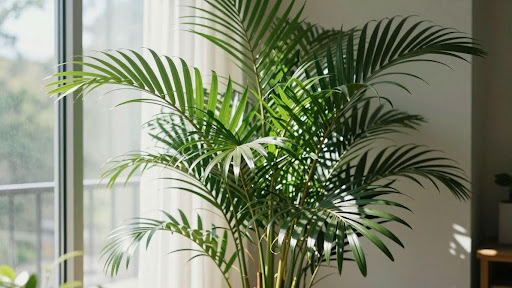
Bringing a bit of the tropics indoors with palm plants can really liven up a space. But, like any houseplant, they have their own little quirks. Getting the light and water just right is super important for keeping those fronds looking lush and green. Consistent care, paying attention to light and watering, is key to successful palm plants indoor care. Let’s get into the nitty-gritty of what your indoor palm plants need to thrive, so you can avoid those common oopsies.
Understanding Palm Plant Light Requirements
When it comes to palm plants indoor care, getting the light just right is super important. Most of these leafy beauties aren’t fans of harsh, direct sunbeams, which can actually scorch their delicate fronds. Think of their natural habitat – they often grow under the canopy of larger trees, so they’re used to dappled or filtered light. This is why bright, indirect light is usually the sweet spot for keeping your palm plants happy and healthy. It mimics that gentle, filtered sunshine they love.
Bright, Indirect Light: The Ideal Scenario
This is the gold standard for most indoor palms. Imagine a spot near a window that gets plenty of light throughout the day, but the sun’s rays are softened by sheer curtains, blinds, or the angle of the sun itself. East or west-facing windows often provide this perfect balance. A good rule of thumb is if you can comfortably read a book in the spot without straining your eyes, it’s likely good enough for your palm. This kind of light encourages robust growth without the risk of sun damage. It’s all about finding that sweet spot where the light is plentiful but not overpowering, which is key for successful how to care for indoor palm tree plants.
Low Light Tolerance: Which Palms Can Handle It?
While most palms prefer bright, indirect light, some species are a bit more forgiving and can tolerate lower light conditions. These are great options if your home doesn’t have a lot of bright window space. Some palms that are known for their ability to handle less light include:
- Parlor Palm (Chamaedorea elegans)
- Kentia Palm (Howea forsteriana)
- Cat Palm (Chamaedorea cataractarum)
Even these more tolerant palms will do best with at least some ambient light; they won’t thrive in a completely dark corner. If you’re unsure about your light levels, it’s always better to err on the side of slightly brighter conditions for these types of palm plants indoor care.
Signs Your Palm Isn’t Getting Enough Light
Your palm plant will definitely let you know if it’s not getting enough light. Keep an eye out for these tell-tale signs:
- Leggy growth: The stems might stretch out, and the leaves will be spaced further apart than usual.
- Pale or yellowing leaves: New leaves might emerge a lighter shade of green, and older leaves could turn yellow and eventually drop.
- Slowed or stopped growth: If your palm seems to be in a perpetual state of stasis, lack of light could be the culprit.
- Leaning towards the light source: The plant will physically orient itself towards the nearest window, often becoming lopsided.
Signs Your Palm is Getting Too Much Direct Light
On the flip side, too much direct, intense sunlight can also cause problems. This is especially true if the light is coming through a window that magnifies the sun’s rays. Watch out for:
- Scorched or brown spots on leaves: These look like dry, crispy patches, often appearing on the parts of the leaves most exposed to the sun.
- Wilting or drooping leaves: The plant might look generally unhappy and listless, even if the soil is moist.
- Fading leaf color: The vibrant green of the fronds can turn dull or even take on a yellowish hue.
Figuring out the right light for your palm plants is a bit of an art. It’s not just about placing it near a window; it’s about understanding the quality of that light and how it changes throughout the day and year. Observing your plant’s reactions is your best guide to mastering the light requirements for your specific palm plants indoor care routine.
Mastering Palm Plant Watering Techniques

Watering your indoor palm might seem straightforward, but it’s actually one of the trickiest parts of keeping them happy. Get it wrong, and you’ll see sad, droopy leaves or crispy brown tips. The key is to find that sweet spot between too much and too little.
How Often to Water Your Indoor Palm
No magic schedule works for every palm, every home. It really depends on the plant’s size, the pot it’s in, the temperature, and even the humidity. A good rule of thumb is to water when the top inch or two of soil feels dry to the touch. For most palms, this means watering maybe once a week, but it could be more or less. Don’t just water on a calendar date; check the soil first.
The Importance of Soil Moisture Checks
This is where you really get to know your plant. Sticking your finger into the soil is the best way to gauge moisture. If it feels dry an inch or two down, it’s probably time to water. If it’s still damp, hold off. You can also use a moisture meter if you want a more precise reading, but honestly, your finger works just fine.
Watering Techniques: Top Watering vs. Bottom Watering
Both methods have their place:
- Top Watering: This is the most common method. You pour water over the soil surface until it starts to drain from the bottom holes. This helps flush out any accumulated salts. Make sure to let all the excess water drain away and don’t let the pot sit in a saucer full of water, as this can lead to root rot.
- Bottom Watering: You can also place the pot in a tray or sink filled with a few inches of water. Let the soil soak up water from the bottom for about 30 minutes, or until the top of the soil feels moist. This is great for encouraging deeper root growth and can be helpful if the soil has become very dry and is repelling water.
Common Watering Mistakes to Avoid
- Overwatering: This is probably the most common killer of indoor palms. Soggy soil suffocates the roots, leading to rot. Yellowing leaves are often a sign of too much water.
- Underwatering: Letting the soil dry out completely can also stress your palm. Crispy, brown leaf tips that move down the fronds are a classic sign of underwatering.
- Using the Wrong Water: Tap water can contain minerals like chlorine and fluoride that build up in the soil and cause brown leaf tips over time. If you notice this, try using filtered, distilled, or rainwater.
- Letting Water Sit: Always empty the saucer after watering. Standing water is a one-way ticket to root rot.
Keeping your palm consistently moist but not waterlogged is the goal. Think of it like a wrung-out sponge – damp, but not dripping wet. This balance is key to a healthy, vibrant palm.
Seasonal Adjustments for Light and Water

As the seasons change, so do the needs of your indoor palm plants. You’ll want to tweak their light and water routines to keep them happy and healthy throughout the year.
Winter often means less natural light, so you might need to move your palms closer to a window or supplement with a grow light. During the colder months, plants generally slow down their growth, meaning they won’t need as much water. It’s super important to let the soil dry out a bit more between waterings. Overwatering in winter is a common way to invite root rot, which is a big no-no.
Here’s a quick rundown of what to expect:
- Spring: As days get longer and warmer, your palm will start actively growing again. Increase watering frequency, and consider feeding it with a diluted fertilizer. Light needs might also increase, so move it to a brighter spot if necessary.
- Summer: This is the peak growing season. Palms will drink up water more readily. Keep the soil consistently moist but not soggy. They’ll likely enjoy as much bright, indirect light as you can provide.
- Fall: Growth will start to slow down. Gradually reduce watering frequency. You might notice the plant doesn’t dry out as quickly. Keep an eye on light levels as days shorten.
- Winter: Growth is minimal. Water much less frequently, allowing the top half of the soil to dry out completely. Avoid fertilizing. Protect from cold drafts, as they are more sensitive when their growth is slowed.
Remember that different palm varieties have slightly different preferences. Always observe your specific plant for signs of stress, like yellowing leaves (often too much water) or brown, crispy tips (often too little water or low humidity).
Think of these adjustments as fine-tuning rather than a complete overhaul. Your palm will thank you for paying attention to its seasonal rhythm!
Troubleshooting Common Palm Plant Issues Related to Light and Water

It’s pretty common for our indoor palms to throw a little tantrum if their light or water situation isn’t quite right. Don’t panic if you notice something off; usually, it’s a fixable problem.
The most frequent culprits behind a sad-looking palm are usually related to how much light it’s getting or how you’re watering it. Let’s break down some common signs and what they mean.
Yellowing Leaves
This is a classic sign that something’s up. It could be a couple of things:
- Too Much Water: If the soil is constantly soggy, the roots can’t breathe, leading to yellowing. This is especially common if your pot doesn’t drain well.
- Not Enough Light: Palms need light to make food. If they’re in a dark corner, they might start to yellow as they struggle.
- Nutrient Deficiency: Sometimes, a lack of certain nutrients, like potassium, can also cause yellowing or brownish fronds.
Brown Leaf Tips or Edges
This usually points to issues with moisture or the quality of your water.
- Underwatering: If the soil dries out too much between waterings, the tips of the leaves can start to crisp up and turn brown.
- Low Humidity: Palms, especially tropical types, like a bit of moisture in the air. Dry air can cause leaf tips to brown.
- Water Quality: Tap water can sometimes have salts or chemicals that build up in the soil and cause leaf tip browning. Using distilled or rainwater can help.
Crispy, Brown Leaves
This is a more severe sign, often indicating prolonged stress.
- Severe Underwatering: Letting the plant get too dry for too long.
- Sunburn: Direct, harsh sunlight can scorch the leaves, turning them brown and crispy.
- Cold Drafts: Sudden exposure to cold air can damage the leaves, causing browning.
Stunted Growth or No New Leaves
If your palm seems stuck in place, it’s likely not getting what it needs to grow.
- Insufficient Light: Not enough light means not enough energy for new growth.
- Underwatering: A consistently dry plant won’t have the resources to produce new leaves.
- Rootbound: If the plant has outgrown its pot, its roots can’t access enough water or nutrients.
Is your palm plant looking a little sad? Don’t worry, many common issues with these tropical beauties come down to just two things: light and water. Too much or too little of either can cause problems. Learning to spot the signs early can save your plant from serious trouble. For more tips on keeping your palm happy and healthy, visit our website today!
Frequently Asked Questions
Can my palm plant get too much direct sun?
Yes, absolutely! Too much direct sunlight can scorch the leaves of many palm plants, making them turn brown or yellow. It’s best to keep them out of intense, direct sun, especially during the hottest parts of the day.
Should I let my palm sit in water after watering?
No, never let your palm sit in a saucer full of water. After watering, wait a bit for the excess water to drain out, and then empty the saucer. This prevents the roots from getting waterlogged and rotting.
What kind of soil is best for palm plants?
Palms like soil that drains well. A good mix is usually a combination of potting soil with added perlite or sand to help with drainage. You can also find special palm or cactus soil mixes at garden stores.
Do I need to worry about humidity for my palm?
Many indoor palms come from tropical places and enjoy a bit of extra humidity. If your home is very dry, especially in winter, you might notice brown leaf tips. Using a humidifier or placing the pot on a tray filled with pebbles and water can help.
How do I deal with brown tips on my palm leaves?
Brown tips are often caused by inconsistent watering, low humidity, or sometimes minerals in tap water. Try to water more evenly, increase humidity, or use filtered or rainwater if you suspect tap water is the issue.
Can I fertilize my palm plant?
Yes, feeding your palm during its growing season (spring and summer) is beneficial. Use a balanced liquid houseplant fertilizer diluted to half strength about once a month. Avoid fertilizing in the fall and winter when the plant is resting.
What should I do if my palm’s leaves turn yellow?
Yellow leaves on a palm can be a sign of overwatering, underwatering, or sometimes a lack of light. Check the soil moisture first, and if that seems okay, consider if the plant is getting enough light. Adjust your watering and light conditions accordingly.
Request a Quote
Our Services