
Southern Magnolia Leaf Benefits and Seasonal Insights

The southern magnolia leaf is a truly amazing part of this iconic tree. It’s not just pretty to look at; it also offers a bunch of benefits, from helping out your garden soil to being used in traditional remedies. This article will go over all the cool things about the southern magnolia leaf, showing you why it’s more than just foliage.
Key Takeaways
- The southern magnolia leaf is evergreen, providing year-round beauty and benefits.
- Fallen southern magnolia leaves can improve soil quality and serve as natural mulch.
- The southern magnolia leaf has properties that have been used in traditional medicine.
- Southern magnolia leaves are popular for various decorative and crafting purposes.
- Different southern magnolia leaf types show unique features, like varied undersides and cold tolerance.
What Is the Southern Magnolia Leaf? Definition & Key Characteristics
Let’s talk about the southern magnolia tree leaf. If you’re from the South, you probably already know and love it. But even if you don’t, it’s a pretty cool leaf to learn about. The Magnolia grandiflora, or southern magnolia, is known for its big, showy flowers, but its leaves are just as distinctive.
Think of the southern magnolia leaf as a symbol of Southern elegance. These leaves aren’t your average, run-of-the-mill foliage; they’re bold, beautiful, and have some pretty neat characteristics that set them apart. They add great value to the tree.
The southern magnolia leaf is more than just a pretty face. It’s a tough, resilient leaf that can handle a lot. It’s also got some interesting properties that people have used for ages. It’s a true Southern icon, and for good reason.
Let’s dive into what makes these leaves so special, from their size and shape to their unique coloring and other cool facts.
- They are evergreen, so they stay green all year round.
- The southern magnolia leaf shape is usually oval or elliptical.
- They can be quite large, sometimes up to 8 inches long.
Leaf Description: Size, Shape & Dual Color Underside
Southern magnolia leaves are pretty distinctive. They’re not like your average tree leaf, and that’s part of what makes them so appealing. Let’s break down what you’ll typically see.
Size and Shape
These leaves are substantial. Expect them to be anywhere from 5 to 10 inches long, sometimes even longer. They have an elliptical shape, kind of like a stretched-out oval, and they’re broad, giving the tree a full, lush look. The size contributes to the overall presence of the tree.
The Two-Tone Underside
One of the coolest things about southern magnolia leaves is the difference between the top and bottom. The top is a glossy, dark green, which is pretty standard for a healthy leaf. But flip it over, and you’ll find a fuzzy underside that’s usually a bronze or rusty brown color. This difference isn’t just for looks; it helps the leaf conserve moisture. It’s a neat adaptation.
Leaf Texture
Don’t forget the texture, these leaves are thick and leathery. They feel sturdy, not flimsy like some other leaves. This toughness helps them withstand different weather conditions, which is why the southern magnolia is an evergreen. They’re built to last.
The dual-color underside is more than just a visual feature; it’s a functional adaptation that aids in water retention. This is especially useful in hotter climates where the tree is prone to water loss. The fuzzy texture also provides a bit of insulation, protecting the leaf from extreme temperatures.
Here’s a quick summary:
- Size: 5-10+ inches long
- Shape: Elliptical (elongated oval)
- Top Color: Glossy, dark green
- Underside Color: Bronze or rusty brown, fuzzy
Evergreen Advantage: Year-Round Foliage Benefits
One of the best things about Southern Magnolias is that they’re evergreen. This means they keep their leaves all year long, which is a big plus for a few reasons. You get constant greenery, which can boost your yard’s look, even in the dead of winter.
Having that consistent green backdrop makes a huge difference. It provides structure to the garden, offers privacy, and just generally makes the place feel more alive, no matter the season.
Here’s why that’s so great:
- Visual Appeal: Unlike trees that lose their leaves, Southern Magnolias always look full and vibrant.
- Privacy: The dense foliage offers a natural screen, blocking views and adding a sense of seclusion.
- Windbreak: The leaves help to buffer the wind, protecting other plants and structures in your yard.
Think about it – no bare branches in winter! Plus, the leaves are pretty tough, so they hold up well against wind and weather.
For example, consider these benefits of planting magnolias locally:
| Benefit | Description |
| Visual Appeal | Magnolias offer large, fragrant blooms that enhance the landscape. |
| Year-Round Green | Evergreen foliage provides continuous beauty and structure. |
| Wildlife Habitat | Attracts birds and other wildlife, supporting local ecosystems. |
| Shade Provision | Offers shade during hot months, reducing energy costs. |
| Low Maintenance | Certain cultivars are resistant to common issues, simplifying tree planting. |
If you’re looking for a tree that gives you beauty and function all year round, the Southern Magnolia is a solid choice. It’s like having a green sculpture in your yard that never takes a break. Plus, you can adjust care for seasonal changes to ensure the tree thrives.
Seasonal Leaf Dropping: Timing & Yard Impact
Okay, so let’s talk about when these beautiful Southern Magnolias decide to shed their leaves. It’s not like your typical deciduous tree that goes bare in the fall. Magnolias are evergreen, but they do drop leaves year-round, with a bit of a surge in the spring and fall. It’s just part of their natural cycle, but it can impact your yard.
Dealing with magnolia leaves is just part of the deal when you have these trees. They’re big, they’re tough, and they don’t decompose super fast. So, raking them up is a regular chore, but honestly, the beauty of the tree makes it worth it.
Timing of Leaf Drop
Magnolia leaf drop isn’t a one-time event. It’s more of a continuous process, but you’ll notice peaks. Typically, you’ll see a heavier drop in the spring as the tree pushes out new growth, and again in the fall as it prepares for winter. The exact timing can vary a bit depending on the weather and the specific cultivar you have. Keep an eye out for signs of stress, like yellowing leaves, which could mean there’s something else going on.
Impact on Yard Maintenance
Those big, leathery magnolia leaves can be a bit of a pain when they drop. They don’t break down quickly, so they can smother your lawn if you don’t rake them up. Here’s the deal:
- Raking: Regular raking is a must, especially in the fall. You might need to do it weekly, depending on how many trees you have.
- Mulching: You can shred the leaves and use them as mulch, but they’re pretty tough, so you’ll need a good shredder. They make a decent mulch for acid-loving plants.
- Composting: Composting is an option, but it takes a while. Mix them with other organic matter to speed up the process.
Benefits of Leaf Litter
Even though they can be a bit of work, fallen magnolia leaves aren’t all bad. They can benefit your soil. As they slowly decompose, they add organic matter and nutrients. Plus, they can help suppress weeds and retain moisture. Think of it as free, slow-release fertilizer. You can also use them to protect the Magnolia stellata during the colder months.
Managing Leaf Drop
There’s not much you can do to stop magnolia leaves from dropping – it’s a natural process. But you can manage the impact. Here are a few tips:
- Regular Raking: Stay on top of it to prevent build-up.
- Leaf Blower: A leaf blower can make quick work of clearing large areas.
- Mulching Mower: If you have a mulching mower, you can chop up the leaves and leave them on the lawn to decompose.
Soil & Mulching Benefits of Fallen Magnolia Leaves
Okay, so your Southern Magnolia is dropping leaves. It’s not dying, promise! It’s just being a tree. But what do you do with all those leaves? Don’t just bag ’em up for the trash! They’re pretty awesome for your yard.
Fallen magnolia leaves can act as a natural, slow-release fertilizer for your garden.
Think of them as free, organic goodness. They break down slowly, adding nutrients back into the soil. Plus, they’re thick and leathery, so they last longer than your average leaf mulch. I’ve found that they help with moisture retention, which is a lifesaver during those dry spells.
I used to dread raking up all the magnolia leaves, but now I see them as a gift. I spread them around my azaleas and hydrangeas, and they seem to love it. The soil stays moist, and I haven’t had to fertilize as much.
Here are a few things you can do with them:
- Use them as mulch around acid-loving plants like azaleas, camellias, and rhododendrons. They’ll appreciate the slightly acidic soil. You can also use compost to improve the soil.
- Add them to your compost pile. They’ll break down eventually, adding valuable organic matter to your compost. Just be patient, they take a while!
- Till them into your garden beds in the fall. They’ll decompose over the winter, enriching the soil for spring planting.
Decorative Uses: Southern Magnolia Leaves in Holiday Décor
Southern magnolia leaves, with their glossy green tops and velvety brown undersides, aren’t just pretty to look at on the tree. They’re surprisingly versatile when it comes to holiday decorating. I’ve seen them used in so many creative ways, and they add a touch of Southern charm to any space.
Here are some ideas I’ve gathered over the years:
- Wreaths: Magnolia leaves make stunning wreaths. You can use them alone for a simple, elegant look, or mix them with other evergreens, berries, and pinecones for a more festive feel. I even saw one where someone had sprayed the leaves gold – it looked amazing.
- Garlands: Stringing magnolia leaves together to create a garland is another easy way to bring the outdoors in. Drape them across your mantel, along a staircase railing, or even use them as a table runner. They last a surprisingly long time, too.
- Table Settings: Individual magnolia leaves can be used as place cards or chargers. Write guests’ names on them with a metallic marker, or simply place them under plates for an added touch of greenery. For a rustic look, use twine to tie a few leaves together and add a sprig of berries.
I remember one year, I was short on cash for holiday decorations. I went into my backyard and gathered a bunch of magnolia leaves, pinecones, and berries. I made a beautiful centerpiece for my dining table, and it didn’t cost me a thing. It just goes to show that you don’t need to spend a lot of money to create a festive and inviting atmosphere.
Magnolia leaves are also great for adding a natural touch to gift wrapping. Tuck a leaf or two under the ribbon for a simple yet elegant embellishment. You can even use them to create unique ornaments. Just cut out shapes from the leaves and decorate them with paint, glitter, or beads. If you are looking for real touch magnolias, you can find them online.
And don’t forget about using them in floral arrangements! Magnolia leaves add structure and texture to any bouquet. They also last longer than many other types of greenery, so your arrangements will stay fresh for days. The grand blossoms stand out.
I’ve even seen people use magnolia leaves to create unique wall art. Frame a single leaf or create a collage of different sizes and shapes. It’s a great way to add a touch of nature to your home décor all year round. If you are in Atlanta, you can findtree trimming services to help you maintain your magnolia trees.
Ecological Benefits: Providing Shelter & Habitat
Okay, so you might think of Southern Magnolias as just pretty trees, but they’re actually super important for local wildlife. I never really thought about it until I saw a bunch of birds nesting in mine! It’s like a little apartment complex for critters.
Southern Magnolias offer food and shelter to a variety of animals.
- Birds love the seeds. They’re a good source of food, especially in the fall and winter when other food is scarce.
- Squirrels and other small mammals also eat the seeds and use the tree for shelter. I’ve seen squirrels building nests in the branches.
- Insects are attracted to the flowers, which then become food for birds and other insectivores. It’s a whole food chain thing happening right in your backyard.
Planting a magnolia is a simple way to support local ecosystems. It’s not just about having a nice-looking tree; it’s about providing a home and food source for wildlife. Plus, it’s cool to watch all the different animals that come to visit.
And it’s not just about the animals in the tree. The evergreen advantage of the leaves that fall to the ground creates a layer of mulch that helps retain moisture and provides habitat for insects and other invertebrates, which in turn feed larger animals. It’s all connected!
Chemical Composition: Antimicrobial & Anti-Inflammatory Properties
Okay, so the Southern Magnolia isn’t just a pretty face; its leaves are packed with some interesting chemicals. I’m no scientist, but from what I gather, these compounds are what give the leaves their potential health benefits. It’s kind of like how certain foods are good for you because of the vitamins and stuff inside them.
One of the big things people talk about is the antimicrobial action. Basically, that means the leaves might be able to help fight off certain germs. Then there’s the anti-inflammatory side of things. Inflammation is linked to a bunch of health problems, so anything that can help reduce it is usually a good thing. It’s important to note that a lot of this is still being researched, but the early signs are promising.
It’s worth pointing out that while these leaves have potential benefits, you shouldn’t just start munching on them. Always do your research and talk to a healthcare professional before trying any kind of herbal remedy.
Here’s a quick rundown of some key points:
- Magnolia leaves contain compounds like magnolol and honokiol.
- These compounds are being studied for their antimicrobial properties.
- They’re also being looked at for their potential to reduce inflammation.
- More research is needed to fully understand the effects.
Magnolia extracts are widely researched for their anti-inflammatory and antioxidant properties.
Traditional Uses: Southern Magnolia Leaf Tea & Folk Remedies
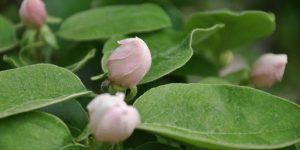
Magnolia leaves, especially those from the Southern Magnolia, have a history steeped in traditional medicine and folk practices. While the bark is more commonly known for its medicinal properties, the leaves also find their place in various remedies.
Magnolia Leaf Tea
While not as widely consumed as teas made from other herbs, magnolia leaf tea was sometimes used in folk medicine. The leaves contain compounds that were believed to have calming effects. The process typically involved drying the leaves and then steeping them in hot water, similar to how you’d prepare any herbal tea. However, it’s important to note that the concentration of active compounds in the leaves is generally lower than in the bark, so the effects would likely be milder. It’s also crucial to properly identify the magnolia species, as not all are safe for consumption. Always consult with a healthcare professional before trying any new herbal remedy.
Folk Remedies
In some traditional practices, magnolia leaves were used topically. Crushed leaves might be applied to minor cuts or skin irritations, based on the belief that they possessed antiseptic or anti-inflammatory properties. It’s worth mentioning that scientific evidence supporting these uses is limited, and modern medicine offers more effective and reliable treatments. However, the historical use of magnolia leaves in this way reflects a deep connection between people and the natural world, where plants were often the first line of defense against common ailments.
It’s important to approach traditional remedies with caution. While they may have a long history of use, scientific validation is often lacking. Allergic reactions are possible, and interactions with medications can occur. Always prioritize safety and consult with a qualified healthcare provider before using magnolia leaves or any other herbal remedy for medicinal purposes.
Other Uses
Beyond tea and topical applications, magnolia leaves sometimes played a role in other folk practices. For example, they might be included in potpourris or sachets for their fragrance, or used in rituals or ceremonies with symbolic significance. The large, glossy leaves were also sometimes used for wrapping or preserving food, taking advantage of their size and durability. These diverse uses highlight the resourcefulness of people in the past, who found practical applications for nearly every part of the plants around them. If you are transplanting trees, make sure to use the right equipment.
Modern Health Insights: Magnolia Extracts for Stress & Antioxidants
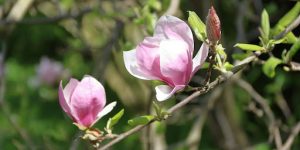
Magnolia leaves and bark have been used for ages in traditional medicine, and now modern science is catching up, exploring the potential health benefits of magnolia extracts. It turns out those old folk remedies might have been onto something. Let’s look at what current research suggests about magnolia’s role in stress reduction and antioxidant activity.
One of the most interesting areas of research involves the use of Magnolia Bark Extract (MBE) to treat various conditions. It’s pretty cool to see how ancient knowledge is informing modern medicine.
- Stress Reduction: Studies suggest that compounds in magnolia bark may help lower cortisol levels, which is your body’s main stress hormone. This could lead to a sense of calm and relaxation.
- Antioxidant Properties: Magnolia extracts contain compounds that act as antioxidants, helping to protect cells from damage caused by free radicals. This is important for overall health and may play a role in preventing chronic diseases.
- Improved Sleep: Some research indicates that magnolia may promote better sleep quality, possibly due to its calming effects on the nervous system.
I’ve been reading up on natural ways to manage stress, and magnolia keeps popping up. It’s not a magic bullet, but it seems like a promising option to explore, especially if you’re looking for something gentler than prescription medications. Of course, always talk to your doctor before trying any new supplements.
It’s worth noting that while these findings are encouraging, more research is needed to fully understand the effects of magnolia extracts and to determine the optimal dosages for different health conditions. But the initial results are definitely intriguing.
Leaf Resilience: Drought Tolerance & Environmental Hardiness
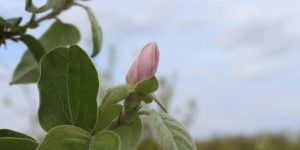
Southern Magnolias are known for their beautiful, glossy leaves and fragrant flowers, but they’re also surprisingly tough trees. They can handle a fair amount of environmental stress, making them a good choice for many landscapes. Let’s take a closer look at what makes them so resilient.
Once established, the Southern Magnolia is a drought-tolerant tree. This is a big plus if you live in an area with hot, dry summers or unpredictable rainfall. Of course, young trees need regular watering to get started, but once their root systems are well-developed, they can withstand periods of dryness.
It’s still important to monitor your magnolia, especially during prolonged droughts. Even though they’re drought-tolerant, they can still show signs of stress if they don’t get enough water. Look for wilting leaves or leaf drop as indicators that your tree needs a good soaking.
Beyond drought tolerance, Southern Magnolias are also pretty adaptable to different soil types and can handle some air pollution. This makes them a good choice for urban environments where other trees might struggle.
Here are some factors that contribute to their resilience:
- Deep root system: Helps them access water deep in the ground.
- Waxy leaf coating: Reduces water loss through transpiration.
- Adaptability to various soil conditions: Tolerates a range of soil pH levels and textures.
Cultivar Variations: Leaf Underside Differences & Cold Hardiness
Southern magnolias are awesome, but did you know there are a bunch of different types? It’s not just one-size-fits-all when it comes to these trees. One of the coolest ways to tell them apart is by looking at the underside of their leaves. And, of course, some are tougher than others when it comes to surviving those chilly winters.
Leaf Underside Colors
Okay, so the classic Southern magnolia has that rusty, fuzzy brown underside. But some cultivars have a much lighter, almost silvery look. Others might be a deeper bronze. The color and density of the fuzz (or indumentum, if you want to get fancy) can really vary. It’s like a secret code to figure out what kind of magnolia you’re looking at. I remember one time I was walking through a park and saw two magnolias right next to each other, but their leaves were different shades underneath.
Cold Hardiness Ratings
Not all Southern magnolias are created equal when it comes to cold weather. Some are bred to handle colder temperatures better than others. This is super important if you live somewhere that gets below freezing. You don’t want to plant a magnolia that’s only good for Zone 8 if you’re in Zone 6. Always check the cold hardiness rating before you buy.
Popular Cultivars & Their Traits
Here’s a quick rundown of some popular cultivars and what makes them special:
- ‘Little Gem’: Smaller tree, good for smaller yards. Relatively cold hardy.
- ‘Bracken’s Brown Beauty’: Known for its super brown, fuzzy leaf undersides and good cold hardiness.
- ‘Teddy Bear’: Compact and dense, with a striking bronze underside to the leaves.
Choosing the right cultivar can make a huge difference in how well your magnolia thrives. Consider your local climate and the amount of space you have before making a decision. It’s also worth checking out local nurseries to see what varieties do well in your area. They can give you some great advice based on their experience.
Care Tips: Pruning, Cleaning & Maximizing Leaf Benefits
Taking care of your Southern Magnolia doesn’t have to be a chore. A little attention can go a long way in keeping your tree healthy and maximizing the benefits of those beautiful leaves. Let’s break down some simple tips.
Pruning for Health and Shape
Magnolias don’t usually need a ton of pruning, which is great news! The best time to do any serious cutting is in late winter or early spring, just before new growth starts. This helps the tree heal quickly and encourages new buds for flowering. You can do some light pruning in the summer to get rid of any dead or damaged branches. Avoid heavy pruning in the fall, as it can make the tree more vulnerable to winter damage. Remember, it’s better to prune gradually than to cut too much at once. This prevents stress and promotes healthy growth. Foroptimal growth, focus on removing dead or damaged branches while keeping the tree’s natural shape.
Essential Pruning Tools
Having the right tools makes pruning easier and safer. Here’s a quick rundown:
- Pruning Shears: For small branches.
- Loppers: For thicker limbs.
- Pruning Saw: For larger cuts.
- Gloves: To protect your hands.
- Safety Goggles: To shield your eyes from debris.
Using sharp, clean tools is key to preventing damage and disease. Dull tools can cause jagged cuts, which invite pests and diseases. Always clean your tools after each use to keep them in good condition.
Cleaning Up Fallen Leaves
Those big, beautiful leaves eventually fall, and while they offer benefits, too many can be a problem. Raking them up regularly prevents smothering your lawn and helps keep pests and diseases at bay. You can compost the leaves to create nutrient-rich soil for your garden. Or, use them as mulch around your plants to help retain moisture and suppress weeds.
Fallen magnolia leaves can acidify the soil as they decompose, which is great for acid-loving plants like azaleas and rhododendrons. Just be mindful of where you use them, as not all plants appreciate acidic conditions.
Maximizing Leaf Benefits
Beyond aesthetics, Southern Magnolia leaves offer several benefits. Consider these ideas:
- Holiday Decor: Use the leaves in wreaths, garlands, and table settings for a touch of Southern charm.
- Mulch: As mentioned, they make excellent mulch for acid-loving plants.
- Compost: Add them to your compost pile for nutrient-rich soil.
- Natural Remedies: Some people use magnolia leaves to make tea, believed to have calming properties. (Always consult a healthcare professional before trying any herbal remedies.)
Watering Wisely
Magnolias need consistent moisture, but overwatering can be just as harmful as underwatering. Yellowing leaves can be a sign of overwatering, while wilting leaves indicate the tree needs more water. Check the soil moisture regularly. If the top few inches feel dry, it’s time to water. Also, be aware of Magnolia stellata’s watering needs.
Want to learn more about keeping your plants healthy and getting the most out of their leaves? Head over to our website for easy-to-follow guides and tips that will make your plants happy and thriving.
Frequently Asked Questions
What makes Southern Magnolia leaves special?
Southern Magnolia leaves are known for their shiny, dark green tops and soft, fuzzy brown undersides. They are quite large and have a tough, leathery feel. These leaves stay on the tree all year, making the magnolia an evergreen.
Do Southern Magnolia trees lose their leaves?
Yes, Southern Magnolia trees do shed their leaves, but not all at once like many other trees. They drop old leaves throughout the year, especially in spring when new growth appears. This means you might find some leaves on your lawn year-round, but it’s usually not a huge pile.
Are fallen magnolia leaves good for the soil?
Fallen magnolia leaves are good for your garden. They break down slowly, adding important stuff to the soil and helping it hold water. You can also use them as mulch around your plants to keep weeds away and protect roots.
Can I use magnolia leaves for decorations?
Absolutely! The strong, attractive leaves of the Southern Magnolia are very popular for crafts and holiday decorations. Their shiny green tops and velvety brown undersides add a natural, elegant touch to wreaths, garlands, and centerpieces.
How do magnolia leaves help local wildlife?
Magnolia trees provide great homes and food for many animals. Birds often build nests in their thick branches, and various insects and small creatures find shelter among the leaves. The flowers and seeds also offer food for wildlife.
Do magnolia leaves have any health benefits?
Some parts of the magnolia tree, including the bark and leaves, have natural compounds that can fight germs and reduce swelling. These properties have been used in traditional medicine for a long time to help with various health issues.
Are magnolia leaves tough against bad weather?
Yes, magnolia trees are tough! Their leaves are designed to handle dry spells and different weather conditions, which helps the tree stay healthy even when it’s hot or there isn’t much rain. This makes them a great choice for many different places.
What’s the best way to care for magnolia leaves?
To keep your magnolia tree healthy, make sure it gets enough water, especially when it’s young or during dry times. You might need to trim it sometimes to shape it or remove dead branches. Keeping the area around the base clean can also help.
Request a Quote
Our Services


