
Sugar Maple Tree vs Red Maple Maintenance Needs

So, you’ve got a maple tree, or you’re thinking about getting one. That’s cool. Maples are pretty common, and they look nice, especially when their leaves change color. But here’s the thing: not all maples are the same. The sugar maple tree vs red maple debate is a real thing when it comes to what they need to stay healthy. They look a bit alike, and sometimes it’s hard to tell them apart, which can make caring for them tricky. Let’s break down what’s different and what you need to do to keep your maple happy.
Understanding the Differences: Sugar Maple vs. Red Maple
Alright, let’s talk about two of the most common maples you’ll see around: the sugar maple tree vs red maple. Sometimes, telling them apart can be a bit tricky, even for folks who know trees pretty well. But don’t worry, there are some key things to look for that make them distinct.
Leaf Shape and Coloration
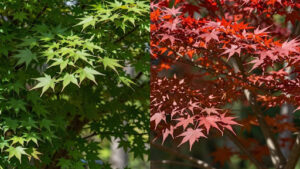
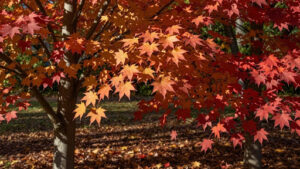
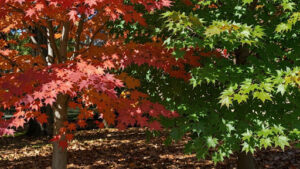
Both sugar and red maples have classic, hand-like lobed leaves and opposite branching. Fall color is the main difference: sugar maples turn yellow/gold/orange, while red maples are known for vibrant reds, often appearing earlier. Red maple leaves also have more jagged lobe edges than sugar maples’.
Bark Characteristics
Older sugar maple bark is tighter with shallow ridges. Red maple bark is smoother when young, developing deeper furrows with age. Red maples may also have fungal ‘bull’s-eyes,’ absent in sugar maples. Red maple bark peels more easily than sugar maple bark.
Growth Habits and Size
Sugar maples grow slowly but live long, reaching 60-80 ft with an upright, oval shape. Red maples grow faster (40-60 ft), are more adaptable, and tolerate wet soils, hence ‘swamp maples,’ thriving where sugar maples don’t.
It’s interesting how these trees, though similar at first glance, have such different preferences for where they thrive. One likes it a bit drier and more open, while the other is happy with its feet wet.
Here’s a quick rundown:
| Feature | Sugar Maple | Red Maple |
| Growth | Slower growth | Faster growth |
| Height | Taller potential | Medium height |
| Shape | Upright oval shape | N/A |
| Fall Color | Yellow/gold fall color | Brilliant red fall color |
| Bark | Tougher bark | Can have ‘bull’s-eye’ bark patterns |
| Soil Preference | Prefers well-drained soil | Adaptable to wet soils |
| Distribution | N/A | More widespread |
Maintenance Needs: A Comparative Look
So, you’ve got a maple tree, or you’re thinking about getting one. Great choice! They’re beautiful, provide shade, and can really make a yard pop in the fall. But, like anything living, they need a little attention to stay happy and healthy. When we’re talking about sugar maple tree vs red maple, their basic needs are pretty similar, but there are some nuances to keep in mind. It’s not like they’re asking for a lot, just the right kind. When we’re talking about Sugar Maples versus Red Maples, their basic needs are pretty similar, but there are some nuances to keep in mind. It’s not like they’re asking for a lot, just the right kind of care at the right time.
Watering Requirements
Both Sugar and Red Maples need consistent moisture, especially when young. Older trees are more forgiving but avoid prolonged dryness, particularly in heatwaves. Deep watering weekly during dry spells is good, but avoid overwatering, which causes root rot.
| Category | Watering Instructions |
| New plantings | Water thoroughly after planting and keep the soil consistently moist for the first year or two. |
| Established trees | Water deeply during extended dry periods, letting the soil dry out a bit between waterings. |
| Signs of thirst | Look for wilting leaves or leaves with brown edges – that’s usually a sign they’re parched. |
Soil Preferences and pH
Maples adapt to most soils, preferring well-drained conditions. Sugar and Red Maples thrive in slightly acidic to neutral soil (pH 5.5-7.0). Alkaline soil can cause yellowing leaves due to nutrient uptake issues.
Resist the urge to mix in fancy compost when planting. Using native soil encourages roots to spread, ensuring a strong, healthy tree and avoiding the ‘pot effect’ of confined roots.
Pruning and Shaping
Pruning keeps trees healthy and attractive. For Sugar and Red Maples, late winter (Feb/Mar) is ideal, before sap flow. This allows faster wound healing and prevents messy sap bleeding. Remove dead, damaged, or rubbing branches.
| Task | Description |
| Remove dead or damaged branches | These are obvious culprits for removal. |
| Address crossing branches | If two branches are growing into each other, pick the weaker one to remove. |
| Thin out the canopy | This improves air circulation and lets light penetrate, which can help prevent disease. |
Pest and Disease Susceptibility
Maples can attract pests like aphids, scale, and borers, and fungal diseases such as verticillium wilt or anthracnose, especially if stressed. Regular observation is key to early detection and easier treatment.
| Aphids | Tiny green or black insects that cluster on new growth. Often, a strong spray of water can knock them off. |
| Verticillium Wilt | A serious fungal disease that can cause wilting and dieback. There’s no cure, so prevention through good care is best. |
| Leaf Spot Diseases | Often appear as spots or blotches on leaves. Usually cosmetic, but severe cases can weaken the tree. |
Fertilization and Soil Amendments
Established Sugar/Red Maples rarely need extra fertilizer; they get nutrients from the soil. If growth is slow or leaves are pale, a soil test can identify deficiencies. If fertilizing, use slow-release in fall/early spring. Mulch around the base (not trunk) is often better than heavy fertilization, retaining moisture and regulating soil temperature.
Choosing the Right Maple for Your Landscape
So, you’ve been thinking about adding a maple tree to your yard, huh? That’s a great idea! Both Sugar Maples and Red Maples bring a lot to the table, but picking the right one really depends on what you’re looking for and what your space can handle. The sugar maple tree vs red maple comparison is important to consider.
Consider the tree’s mature size and spread for long-term success. Sugar Maples get large, needing ample room. Red Maples are more adaptable but still require thoughtful placement.
Here’s a quick rundown to help you decide:
| For Shade: | Sugar Maple offers decades of shade and a stately look; ensure ample space. |
| For Adaptability/Color: | Red Maple is more forgiving with soil and boasts stunning red fall color. |
| For Small Spaces: | Dwarf Japanese Maples offer ornamental appeal without overwhelming compact areas. |
Maple trees need root space; plant 15-20 feet from structures to avoid future issues. Watch for dying tree signs to learn their needs.
The best maple fits your space, aesthetic, and care commitment. Both offer seasonal interest; knowing their habits and needs is key.
Making an Informed Decision
You’ve examined the Sugar and Red Maple’s leaves, bark, and size. Now, determine which fits your yard and life, not just aesthetics.
Consider your willingness to care for them. Both need water, but Red maples are more forgiving with soil types, while sugar maples prefer acidic soil. If you prefer less fuss, this is a factor.
Here’s a quick rundown to help you decide:
| Category | Sugar Maple | Red Maple |
| Watering | Regular watering, especially when young and during dry spells. | Regular watering, especially when young and during dry spells. Might handle slightly drier conditions once established better than sugar maples. |
| Soil | Prefers slightly acidic soil (pH 5.5-6.5). | More flexible, can handle a wider range, even slightly alkaline soil. |
| Pruning | Benefits from pruning to remove dead or damaged branches, best in late winter before sap runs heavily. | Benefits from pruning to remove dead or damaged branches, best in late winter before sap runs heavily. |
| Pests/Diseases | Keep an eye out for common issues like aphids or leaf spots. Early detection is key. | Keep an eye out for common issues like aphids or leaf spots. Early detection is key. |
Staking young trees is important, but remove the stakes once the tree can stand on its own. Loosely tie it to stakes away from the trunk, allowing it to strengthen independently.
Ultimately, the best maple fits your space, soil, and care time. Choosing right means a healthier tree. Ask a local nursery or arborist for advice tailored to your area.
Choosing the right help for your trees can feel like a big decision. We want to make it easy for you. Think about what you need done and then let us know. We’re here to help you figure it all out. Visit our website today to get a free quote and see how we can help your trees look their best!
Frequently Asked Questions
How can I tell a Sugar Maple from a Red Maple?
Red maples have red twigs/buds and fall color, liking wet spots. Sugar maples have brown twigs/buds and yellow/gold fall color, preferring drier ground. Red maple bark may have a ‘bull’s-eye’ pattern.
What kind of soil do these maples prefer?
Both prefer soil not too wet or dry, with slightly acidic to neutral pH. Red maples tolerate wetter conditions (‘swamp maples’), while sugar maples dislike soggy soil.
When is the best time to prune maple trees?
Prune in late winter (Feb/Mar) before sap flow. Late spring pruning causes sap bleed, weakening the tree and inviting pests/diseases.
Are maple trees messy? Should I worry about their roots?
Maple trees drop seeds (‘helicopters’) and leaves, requiring some cleanup. Plant them at least 20 feet from your house/driveway to avoid potential issues, especially with faster-growing types.
Can I tap a Red Maple for syrup?
Sugar maples have the sweetest sap, ideal for syrup. Red maple sap is less sweet, not typically used commercially, though edible.
What are common problems for maple trees?
Maple trees can get leaf scorch (brown edges, often from lack of water), pests, or diseases. Watch for wilting, spots, or bark damage to catch problems early.
Request a Quote
Our Services


