
Butternut Tree vs Black Walnut: Which Tree Should You Plant?
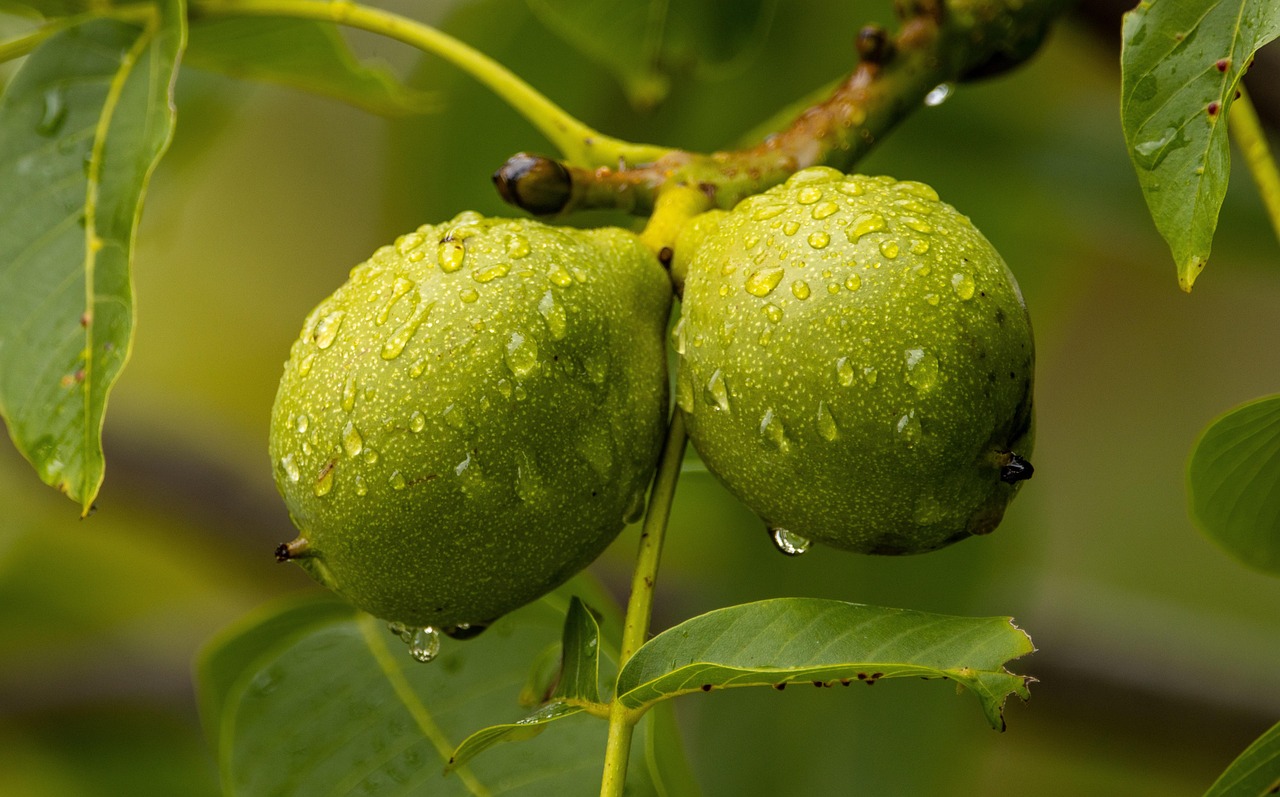
Deciding between a butternut tree vs black walnut tree for your property can be a tough choice. Both are impressive native trees with a lot to offer, from delicious nuts to valuable wood. But they also have some key differences in how they grow, what they need to thrive, and how they interact with their surroundings. Let’s break down the butternut tree vs black walnut comparison to help you figure out which one is the better fit for your yard or landscape.
Introduction to Butternut Tree vs Black Walnut Differences
Deciding between a butternut tree vs black walnut tree for your property can be a tough choice. Both are native to North America and offer unique benefits, from delicious nuts to valuable wood. However, they also have distinct characteristics that make them suited for different situations. Understanding these differences is key to making the right selection.
While they belong to the same genus, Juglans, the butternut (Juglans cinerea) and the black walnut (Juglans nigra) have quite a few differences. For starters, their appearance can vary quite a bit. Butternuts often have a more spreading, almost tropical look with lighter green leaves, while black walnuts tend to be taller with a more upright form and darker bark. Even their nuts are different – black walnuts are round, and butternuts are more oblong with a pointed end.
Here’s a quick rundown of some key distinctions:
- Nuts: Black walnuts are round and dark; butternut nuts are oblong and lighter.
- Bark: Mature black walnuts have dark, deeply furrowed bark; butternuts have smoother, lighter grey bark.
- Leaves: Both have large compound leaves, but leaflet count and shape can differ.
- Growth Habit: Butternuts are often broader, while black walnuts are typically taller and straighter.
It’s also worth noting that butternut trees are currently facing significant challenges due to a disease called butternut canker, which has drastically reduced their numbers in the wild. This makes finding healthy specimens and understanding their long-term viability an important consideration.
When you’re looking at these trees, remember that while they might seem similar at first glance, their subtle differences in growth, appearance, and even their susceptibility to disease can have a big impact on your planting decision. It’s not just about picking a tree; it’s about picking the right tree for your specific needs and environment.
Growth Habit and Appearance in the Butternut Tree vs Black Walnut Comparison

When you first spot a butternut tree, it stands out mostly for its broad, spreading look that gives off a bit of a tropical feel. The butternut usually grows shorter than black walnut—mature butternuts max out around 40-60 feet, and they tend to spread wider than they are tall. The big, light-green leaves are made up of 11-17 leaflets, often with a single, larger end leaflet, making the tree look feathery and lush.
The black walnut, on the other hand, is more about height and formality, especially in the forest. When grown with little competition, it becomes a tall, straight tree with a big central trunk and a high canopy. At maturity, it typically towers over 60-80 feet. The leaves are a darker green, generally sporting 15-23 narrow leaflets per leaf. The bark is a deep brown—almost black—marked by rough, craggy ridges and deep grooves that feel alligator-like when you run your hand over it. In the open, though, black walnuts adjust, growing lower limbs and a rounder shape, sometimes resembling large elm trees. More on this is described in their distinct growth anatomy.
Here’s a quick table to highlight some of these differences:
| Feature | Butternut | Black Walnut |
| Mature Height | 40-60 ft | 60-80 ft |
| Habit | Broad, wider than tall | Tall, straight in forest; round in open |
| Leaf Color/Shape | Light green, 11-17 leaflets | Dark green, 15-23 leaflets |
| Bark | Smooth, light gray | Dark brown/black, deeply furrowed |
| Nut Shape | Oblong, pointed | Round, golf-ball sized |
You can almost always tell the two apart by the bark and nut shape—oblong and pale for butternut, round and dark for black walnut.
- Butternut’s shade feels softer and often covers a wider spot on your lawn than black walnut.
- Leaf scars on butternut twigs often have a wooly fringe, while black walnut scars are more notched and ragged.
- If you’re worried about lower limbs or a more traditional yard tree look, butternut will usually fit better thanks to its wide canopy.
Standing beneath a mature butternut tree on a sunny afternoon, you might forget you’re even in the eastern US. The dappled, cool shade is that distinct, especially compared to the black walnut’s usually taller, more open form.
Soil and Climate Preferences: Butternut Tree vs Black Walnut
When you’re deciding between planting a butternut or a black walnut, figuring out where they like to grow is pretty important. Both are tough trees, but they have their own little quirks.
Butternuts, also called white walnuts, are pretty adaptable. They like full sun and, importantly, well-drained soil. If you’ve got a spot that stays soggy, maybe look elsewhere. They can handle colder climates, with reliable nut production starting around Zone 3, though they can survive in Zone 2. They tend to grow pretty fast, especially when they’re young, and can put on several feet of growth in a year. You might see some bark splitting on the southwest side when the sun warms it up and then the cold contracts it, but that’s usually not a deal-breaker.
Black walnuts are a bit more particular, but also very hardy. They’re known to be slow growers, but they can get quite large and have a nice, straight trunk. They also prefer well-drained soil and full sun. While they can grow in many places, they’re not as common on the prairies, likely because they don’t handle extreme cold as gracefully when young, sometimes getting a tip freeze. They’re also not big fans of being moved once they’re planted, so pick your spot carefully the first time.
Here’s a quick rundown:
- Butternut: Prefers full sun, well-drained soil. Tolerates colder climates (Zone 3 for reliable nuts, Zone 2 survival). Fast initial growth.
- Black Walnut: Prefers full sun, well-drained soil. Can be sensitive to extreme cold when young. Slow, steady growth. Doesn’t like transplanting.
Both trees are excellent at absorbing CO2, which is a nice bonus for the environment.
It’s worth noting that black walnuts release a substance called juglone from their roots. This can be toxic to certain other plants, so you’ll need to plan your garden layout carefully if you don’t want to stunt the growth of things like tomatoes, potatoes, or blueberries nearby. Butternuts don’t seem to have this same issue, which might make them a bit more neighborly in a mixed planting situation.
Nut Production and Flavor: Butternut Tree vs Black Walnut
When it comes to the nuts these trees produce, there are some pretty noticeable differences, both in taste and how you get to them.
Butternuts, often called white walnuts, are known for their mild, slightly sweet, and oily flavor. People seem to really enjoy them, and they’re great for baking or just snacking. The challenge, though, is getting them out of their shells. They’re a bit oblong with a pointed end, and cracking them open can take some effort – think hammer or a sturdy vise.
Black walnuts, on the other hand, have a richer, more intense, and oily flavor. They’re round and have a really thick, dark shell that’s even tougher to crack than a butternut’s. Because of their strong taste, they’re often used in confectionery or for specific culinary uses.
Here’s a quick rundown:
- Butternut Nuts: Mild, sweet, oily flavor. Oblong shape. Tough but manageable shells.
- Black Walnut Nuts: Rich, intense, oily flavor. Round shape. Very tough shells.
It’s worth noting that both trees can produce more nuts if you plant them near another of the same kind. For black walnuts, planting two trees can significantly boost your harvest. Butternuts are also self-fertile but tend to yield better with a companion.
Getting the nuts out of either of these trees is definitely a workout for your hands. Don’t expect the easy cracking you get from store-bought English walnuts. It’s part of the charm, I guess – a bit more work for a unique, homegrown flavor. If you’re interested in different types of walnut trees for your orchard, you might want to look into selecting the right walnut tree.
While both offer edible nuts, the flavor profile and the sheer difficulty of cracking them open set them apart. If you prefer a milder taste and don’t mind a bit of a challenge, the butternut might be your pick. If you’re after a bolder flavor and are prepared for a serious cracking session, the black walnut is the way to go.
Wood Value and Uses in the Butternut Tree vs Black Walnut Debate
When you’re thinking about planting a tree, especially one that might eventually be harvested for its wood, the value and uses of that timber are definitely worth considering. Both butternut and black walnut trees offer something unique, but they appeal to different needs and markets.
Black walnut is the undisputed champion when it comes to high-value timber. Its wood is famous for its rich, chocolatey brown color, beautiful grain patterns, and impressive strength. Furniture makers, cabinet makers, and woodworkers absolutely love it. You’ll often find black walnut used for high-end furniture, cabinetry, gunstocks, and decorative veneers. It’s a premium wood, and its price reflects that. If you’re looking for a tree that will likely provide a significant return on investment for its lumber, black walnut is a strong contender.
Butternut, on the other hand, also has its own appeal, though it’s generally considered less valuable than black walnut. Its wood is lighter in color, often a pale brown or grayish-brown, and it’s softer than black walnut. While it’s not typically used for the same high-end furniture applications, it’s still a decent wood for various uses. It can be used for smaller projects, decorative items, or even for things like rustic furniture or paneling. Some people also find its lighter color and grain to be quite attractive for certain design aesthetics. It’s a good, usable wood, just not in the same luxury class as black walnut.
Here’s a quick rundown:
- Black Walnut:
- Highly prized for its dark color and strength.
- Ideal for fine furniture, cabinetry, and veneers.
- Commands a higher market price.
- Butternut:
- Lighter color, softer wood.
- Suitable for smaller projects, rustic items, or decorative uses.
- Generally less valuable than black walnut.
So, if your primary goal is to grow a tree for its timber value, and you’re aiming for the highest possible return, black walnut is likely the way to go. However, if you appreciate the softer tones and are interested in a wood that’s still useful for a variety of projects, butternut is a perfectly fine choice. It’s just a matter of what you’re looking for in the end product.
Disease Resistance and Longevity: Butternut Tree vs Black Walnut
When you’re thinking about planting a tree that’s going to stick around for a while and stay healthy, disease resistance, and how long it lives are pretty big factors. It’s a bit of a mixed bag when comparing butternut and black walnut trees.
Butternut trees are currently facing a serious threat from a fungal disease known as butternut canker. This disease, scientifically called Sirococcus clavigignenti-juglandacearum, can be devastating. It attacks the tree by feeding on the cambium layer, which is vital for growth. You’ll often see signs of it as dead branches appearing in the upper part of the tree, along with swollen, cracked cankers on the bark. Sadly, this has led to a significant decline in butternut populations in many areas, making it hard to find healthy specimens in the wild. Because of this, the long-term outlook for butternuts can be uncertain, and their lifespan might be cut short if they contract the canker.
Black walnut trees, on the other hand, don’t seem to be battling a single, widespread disease to the same extent as butternuts. While they can experience issues like tip freezing when young or bark cracking from sun and cold, they generally show more resilience against major, life-ending pathogens. This doesn’t mean they’re immortal, of course. Like any tree, they can succumb to age, environmental stress, or other opportunistic diseases and pests. However, compared to the current plight of the butternut, the black walnut tends to be a more robust and longer-lived choice in terms of disease resistance.
Here’s a quick rundown:
- Butternut: Highly susceptible to butternut canker, which has drastically reduced populations and lifespan. Signs include dead branches and bark cankers.
- Black Walnut: Generally more resistant to major diseases. While not immune to all problems, they tend to have a more stable and longer lifespan due to fewer widespread, devastating threats.
So, if you’re looking for a tree that’s likely to stand strong for many years without major health scares, the black walnut often has the edge. The butternut, while a beautiful and productive tree, comes with the significant risk associated with the canker disease.
Impact on Nearby Plants: Butternut Tree vs Black Walnut Allelopathy
So, you’ve got these two trees, butternut and black walnut, and they’re not exactly the most neighborly types. They both produce this chemical called juglone, and it can really mess with other plants growing nearby. It’s a natural thing called allelopathy, where one plant basically makes chemicals that affect its neighbors. Think of it like a plant’s way of saying, “Stay away!”
The main issue is juglone, which can inhibit a plant’s respiration, making it hard for them to get the energy they need to grow. Sensitive plants might show signs like stunted growth, wilting, or even just up and die. It can happen pretty fast, too – I’ve seen tomato plants go from looking great to totally collapsed practically overnight. Once a plant starts wilting from juglone, there’s usually no coming back from it.
Here’s a quick rundown of how some common garden plants react:
- Susceptible Plants: These guys really don’t like juglone. Think asparagus, eggplant, peppers, potatoes, and tomatoes. If you’re planning a vegetable garden, you’ll want to keep these far away from walnut trees.
- Tolerant Plants: These are the tougher ones. Beans, beets, corn, onions, and parsnips can usually handle being closer to walnut trees without too much trouble.
- Other Plants: Many other plants, like most flowers and shrubs, have varying degrees of tolerance. It’s always a good idea to do a little research if you have a specific plant in mind.
It’s not just the living trees, either. The juglone can stick around in the soil for a long time, even after the tree is gone. The leaves and husks from these trees should be composted for at least a year before you use them as mulch or spread them in your garden. And remember, walnut roots can spread way out, sometimes much further than the tree’s canopy. So, even if you plant something on the other side of your yard, if a walnut root finds its way over there, you could still have problems.
If you absolutely have to plant sensitive species near a walnut tree, consider using raised garden beds. This can offer some protection, but you still need to be careful about those sneaky roots trying to grow up into the bed. Good soil drainage also seems to help, as juglone doesn’t move as easily in well-drained soil. It seems like plants with shallower root systems might handle it a bit better too.
Which Is Best for Your Property? Final Thoughts on Butternut Tree vs Black Walnut
So, you’ve been weighing the pros and cons of planting a Butternut versus a Black Walnut tree. It’s a good question, and honestly, there’s no single right answer. It really boils down to what you’re hoping to get out of your tree and what your specific spot has to offer.
If you’re looking for a tree that’s a bit more forgiving and has a unique, almost tropical look, the Butternut might be your pick. They tend to be more spreading and can give your yard a really lush feel. Plus, their nuts are generally considered milder and a bit sweeter than Black Walnuts, making them a nice treat if you enjoy harvesting your own. However, it’s important to remember that Butternuts are facing some serious challenges with a disease called butternut canker. Finding a healthy, disease-resistant specimen is key, and you might even consider looking into hybrids that have shown more resilience. These hybrids are quite common, especially near residential areas, and can be a good way to enjoy the benefits of a butternut-like tree without as much worry about disease. You can find resources to help differentiate native trees like Butternut from others.
On the other hand, the Black Walnut is a powerhouse. It’s known for its incredibly valuable wood, which is sought after for its rich color and strength. If timber value is a consideration, or if you just appreciate a stately, straight-growing tree, the Black Walnut is a solid choice. They’re also fantastic at absorbing CO2, which is a nice bonus for the environment. But, and it’s a big ‘but,’ Black Walnuts are allelopathic. This means their roots release a chemical called juglone, which can stunt or kill off certain plants nearby. So, if you’ve got a garden planned, you’ll need to be very mindful of where you plant your Black Walnut. Tomatoes, potatoes, and blueberries, for example, are not fans. Also, remember that Black Walnuts don’t take kindly to being moved once they’re established, so pick your spot carefully from the start.
Here’s a quick rundown to help you decide:
- Butternut:
- More spreading, tropical appearance.
- Milder, sweeter nuts.
- More susceptible to butternut canker; consider disease-resistant hybrids.
- Sap can be tapped, similar to maple.
- Black Walnut:
- Valuable hardwood.
- Produces juglone, toxic to many plants.
- Stately, straight growth habit.
- Excellent CO2 absorber.
When it comes down to it, think about your priorities. Are you after a beautiful shade tree with edible nuts that might need a bit more care due to disease? Or are you looking for a tree with high-value wood and a strong environmental benefit, but with the caveat of needing to manage its impact on surrounding plants? Both are impressive trees, but they bring different sets of challenges and rewards to the table.
Ultimately, the best tree for your property is the one that fits your landscape, your goals, and your willingness to manage its specific needs. Happy planting!
So, Which Tree is Right for You?
Deciding between a butternut tree vs black walnut really comes down to what you’re looking for. If you want a tree that’s a bit more unique, maybe has a slightly more tropical look, and offers a milder-tasting nut, the butternut might be your pick. Just keep an eye out for that butternut canker disease, as it’s been tough on these trees. On the other hand, the black walnut is a classic, known for its strong wood and a nut that’s great for cooking. Remember that black walnut’s roots can affect nearby plants, so plan your garden spots carefully. Both trees can be a beautiful addition to your yard, providing shade, nuts, and a connection to nature. Think about your space, your goals, and maybe even what kind of nuts you prefer, and you’ll find the perfect fit.
Frequently Asked Questions
What’s the main difference between a butternut and a black walnut tree?
The easiest way to tell them apart is by their nuts and bark. Black walnuts have round nuts and dark, deeply grooved bark when they get older. Butternut nuts are more oblong and pointed, and their bark is smoother and lighter in color, almost whitish-gray.
Are butternut trees hard to find these days?
Yes, unfortunately, butternut trees are becoming quite rare in the wild. A disease called butternut canker has affected many of them, making it hard to find healthy ones in forests.
Can you eat the nuts from these trees?
Both trees produce edible nuts! Butternut nuts have a mild, sweet, and oily taste that many people enjoy. Black walnuts also have a rich and oily flavor, though some find them a bit stronger.
Is it easy to crack butternut or black walnut nuts?
Not really! Both types of nuts have thick shells. You’ll likely need something strong like a hammer or a special nut cracker to get to the tasty nut inside.
Do these trees affect other plants growing nearby?
Yes, black walnut trees can be a bit tricky. Their roots release a substance called juglone, which can harm or stop the growth of certain other plants, like tomatoes and blueberries. Butternuts don’t seem to have this issue as much.
Which tree grows faster, butternut or black walnut?
Butternut trees are known for growing quite fast, sometimes adding several feet in a year, especially when they are young seedlings. Black walnuts also grow well, often a couple of feet per year.
Request a Quote
Our Services


