
Persimmon Tree Growing Zone Explained: From Zone 4 to Zone 9
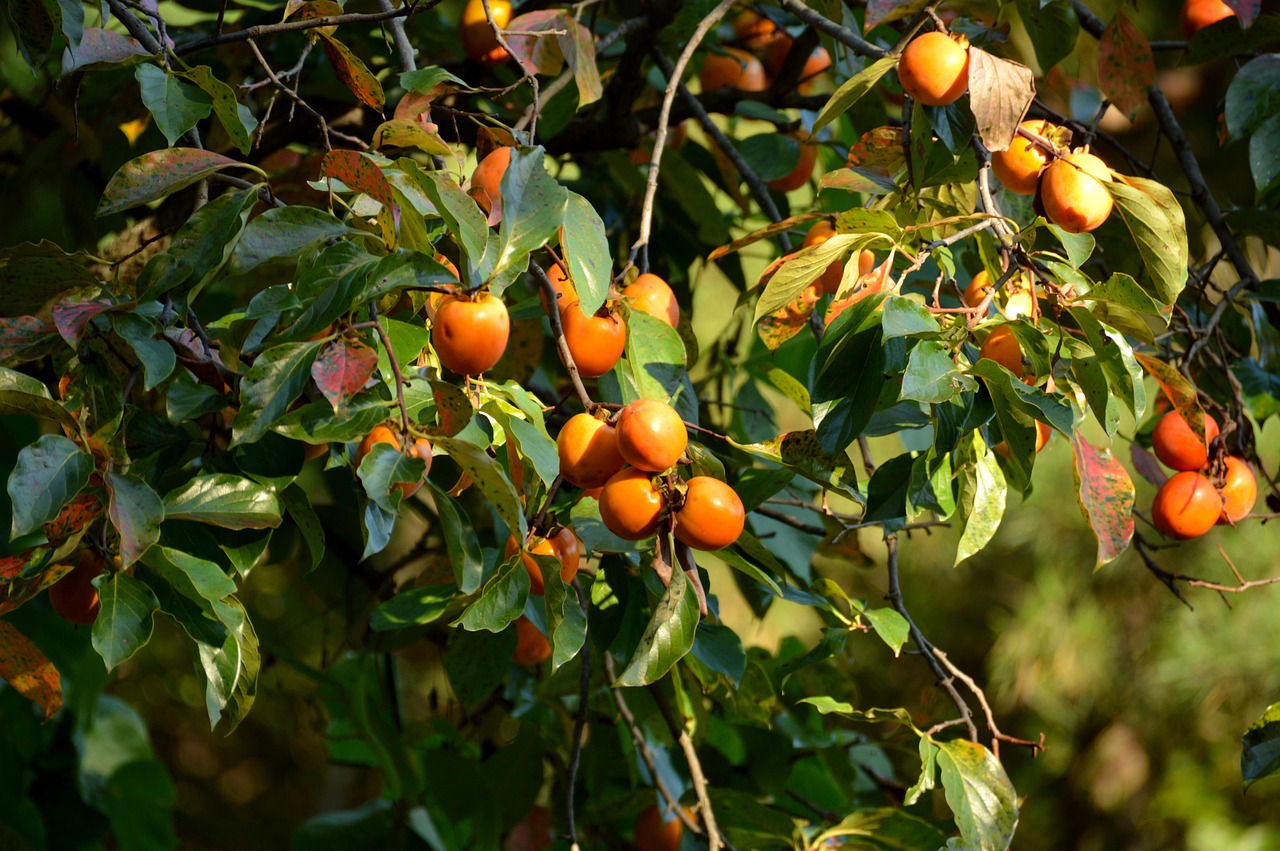
Thinking about adding a persimmon tree to your garden? You’re in luck! These trees, while maybe not as common as apples or peaches, offer delicious fruit and look pretty great, especially when their leaves change color in the fall. But to get the best harvest, you need to know the right conditions for growing them. This guide breaks down everything you need to know about the persimmon tree growing zone, from picking the right spot to caring for your tree. The persimmon tree growing zone is from 4 through 9, but specific varieties have different needs.
Overview of the Persimmon Tree Growing Zone Range
So, you’re thinking about planting a persimmon tree? That’s awesome! These trees are pretty neat, offering beautiful fall color and tasty fruit. But before you dig any holes, you gotta figure out if your backyard is the right spot. This is where the persimmon tree growing zone comes into play.
Basically, these zones are a way to tell you which plants can survive the winter in your area. They’re based on the average lowest winter temperature. For persimmons, the general range is pretty wide, usually covering USDA Zones 4 through 9. This means a lot of us can actually grow them.
Here’s a quick rundown of what those zones mean:
- Zone 4: Super cold winters, with temps dipping to -30°F (-34°C).
- Zone 5: Cold winters, down to -20°F (-29°C).
- Zone 6: Cold winters, with lows around -10°F (-23°C).
- Zone 7: Mild winters, usually not dropping below 0°F (-18°C).
- Zone 8: Mild winters, with temps rarely going below 10°F (-12°C).
- Zone 9: Warm winters, where temperatures stay above 20°F (-7°C).
It’s important to know your zone because picking the wrong variety for your climate can lead to a lot of disappointment. Some persimmons are tougher than others when it comes to frost. American persimmons, for instance, are known for being quite cold-hardy, often handling Zone 4 quite well. Asian varieties, on the other hand, might prefer the warmer end of the spectrum.
Choosing the right persimmon tree for your specific growing zone is the first big step to success. Get this right, and you’re already halfway there to enjoying your own homegrown persimmons.
Understanding Climate Needs for Each Persimmon Tree Growing Zone
So, you’re thinking about growing persimmons? That’s awesome! These trees are pretty adaptable, but they do have their preferences when it comes to climate. Knowing your USDA Hardiness Zone is the first step, and it basically tells you how cold your winters get. Persimmons, in general, do their best in zones ranging from 4 all the way up to 9. This broad range means a lot of folks can enjoy growing their own persimmons.
The key is matching the variety to your specific zone. American persimmons are generally tougher and can handle colder temps, often down to -25°F, making them a good bet for zones 4 through 9. Asian persimmons, while delicious, are a bit more sensitive to extreme cold, usually preferring zones 5 through 9 and tolerating temperatures down to about 0°F. If you’re in a warmer climate, like Florida, you’ll likely have an easier time, as these trees also love a good dose of heat and sunshine.
Here’s a quick rundown of what different zones generally mean for persimmon growing:
- Zones 4-6 (Colder Climates): You’ll want to focus on cold-hardy American persimmon varieties. These areas experience significant winter freezes, so choosing a tree that can withstand those low temperatures is super important. Planting after the last frost, usually mid-May in zone 4 and April in zones 5-6, is typical.
- Zones 7-9 (Milder Climates): You have more flexibility here. Both American and many Asian persimmon varieties can thrive. You can plant a bit earlier in the spring, sometimes as early as March in zone 8 or 9, and April in zone 7. These zones generally offer longer growing seasons and less risk of extreme cold damage.
It’s not just about the minimum winter temperature, though. Persimmons need a good amount of heat during the growing season to produce fruit. Too much shade or not enough consistent warmth can lead to fruit drop, which is a bummer. Aim for at least eight hours of direct sunlight daily.
When it comes to watering, persimmons are pretty drought-tolerant once established, but they don’t like soggy feet. Well-draining soil is a must, no matter your zone. You’ll water more often in sandy soils and less in clay. Generally, watering once a week in clay and twice a week in lighter soils is a good starting point, but always check the soil moisture first. If the top two inches feel dry, it’s time to water, preferably in the morning.
Cold-Hardy Varieties for the Lower Persimmon Tree Growing Zone Range
So, you’re in one of the cooler parts of the country, maybe zone 4, 5, or 6, and you’re dreaming of homegrown persimmons? Don’t worry, it’s totally doable! The key here is picking the right kind of persimmon tree. We’re talking about varieties that can handle a good chill without throwing a fit.
American persimmons (Diospyros virginiana) are your best bet for these colder zones. They’re native to North America and are built tough, able to survive temperatures dipping down to -25°F. That’s seriously cold! Unlike their Asian cousins, which often struggle in anything below zone 7, American persimmons are practically made for these tougher climates.
Here are a few things to keep in mind when choosing and planting for these zones:
- Variety Selection: Look specifically for cultivars of Diospyros virginiana. Some named varieties might offer improved fruit quality or slightly better cold tolerance, though the species itself is quite hardy.
- Site Selection: Even though these trees are cold-hardy, they still need a good spot. Pick a location that gets full sun for at least eight hours a day. This helps the tree stay healthy and produce fruit. Avoid low-lying areas where frost can settle and damage young trees.
- Soil Drainage: This is super important. While American persimmons can handle a range of soil types, including clay, they absolutely need well-draining soil. Soggy roots in the winter are a recipe for disaster, even for a hardy tree.
- Protection for Young Trees: While mature trees are tough, young saplings can be more vulnerable to extreme cold snaps. Consider giving them a little extra protection during their first few winters. Wrapping the trunk with burlap or using frost cloth can make a big difference.
Remember, even with cold-hardy varieties, establishing the tree takes time. Be patient, provide good care, and you’ll be rewarded with delicious fruit.
When you’re shopping for a tree, you might see them sold as bare-root or container-grown. For zones 4-6, planting in early spring, right after the last frost, is usually the best time. This gives the tree the whole growing season to get established before winter hits.
Heat-Tolerant Varieties for the Higher Persimmon Tree Growing Zone Range
So, you’re in a warmer spot, like zones 7, 8, or 9, and you’re thinking about growing persimmons? That’s great news because this range is pretty ideal for many varieties, especially those that can handle a good dose of summer heat. While American persimmons (Diospyros virginiana) can often stretch into these zones too, this is where you really start to see the Asian persimmons (Diospyros kaki) shine.
These Asian types are generally more accustomed to warmer climates and can produce some really delicious fruit. They typically need at least eight hours of direct sunlight daily to really thrive and produce well. If you’re in a hotter area, make sure your chosen variety can handle those high temperatures without dropping its fruit prematurely. Some varieties are better suited than others, so it’s worth doing a little digging.
Here are a few things to keep in mind for zones 7-9:
- Sunlight is Key: Even in warmer zones, persimmons need plenty of sun. Don’t plant them where they’ll be shaded by buildings or larger trees, especially during the hottest part of the day. Good sun exposure helps the fruit ripen properly.
- Watering Wisely: While these trees are somewhat drought-tolerant once established, consistent watering is important, especially during dry spells and when the fruit is developing. Aim for deep watering rather than frequent shallow sprinkles. The soil should drain well, though; you don’t want waterlogged roots, even in warmer climates.
- Variety Selection: Look for cultivars specifically known for their heat tolerance and suitability for your zone. Some popular Asian persimmon varieties that do well in these warmer zones include ‘Fuyu’, ‘Jiro’, and ‘Hachiya’.
When selecting a persimmon tree for zones 7-9, prioritize varieties known for their ability to withstand heat and full sun. While many persimmons are adaptable, choosing a cultivar suited to your specific climate will significantly increase your chances of a bountiful harvest. Pay attention to the fruit type – astringent varieties often need to be fully soft before eating, while non-astringent types can be eaten crisp like an apple.
Remember, even in warmer zones, a little protection during extreme heat waves or unexpected late frosts can be beneficial. You can find a lot of helpful information on persimmon tree cultivation to help you pick the best fit for your yard.
Soil and Sunlight Requirements for Persimmon Tree Growing Zone
Alright, let’s talk dirt and sun for your persimmon tree. It’s not super complicated, but getting it right means happier trees and, hopefully, more fruit.
Persimmon trees really want a good dose of sunshine, aiming for at least 6 to 8 hours of direct light every single day. Think of it like this: the more sun they soak up, the more energy they have to make those tasty fruits. If your spot is a bit shady, especially in the afternoon during really hot spells, a little bit of shade might actually help prevent the leaves from getting scorched. But generally, full sun is the name of the game.
When it comes to soil, persimmons are pretty adaptable. They can handle a range of soil types, from heavy clay to lighter loamy stuff. The most important thing is that the soil drains well. Nobody likes soggy feet, and neither do persimmon roots! Waterlogged soil can lead to all sorts of problems, like root rot and fungal diseases. If your soil is a bit heavy on the clay side or drains too quickly, mixing in some compost before planting can really make a difference. Most persimmons do best with a soil pH somewhere between 6.0 and 6.5.
Here’s a quick rundown:
- Sunlight: Aim for 6-8 hours of direct sun daily. More is usually better, but watch out for scorching in extreme heat.
- Soil Type: Well-draining is key. Loamy soil is ideal, but they can manage clay too.
- Soil pH: Keep it slightly acidic, around 6.0 to 6.5.
- Watering: They’re pretty drought-tolerant once established, but water deeply when the top couple of inches of soil feel dry. Avoid overwatering.
Remember, even though persimmons are tough, giving them the right conditions from the start sets them up for success. It’s all about finding that sweet spot between enough sun and soil that doesn’t hold onto too much water. This balance is important for persimmon tree health.
So, whether you’re in Zone 4 or Zone 9, focus on giving your tree plenty of light and making sure its roots aren’t sitting in a puddle. It’s a simple recipe for a thriving persimmon tree.
How to Choose the Right Cultivar for Your Persimmon Tree Growing Zone
So, you’ve figured out your growing zone and you’re ready to pick a persimmon tree. That’s great! But hold on a sec, not all persimmons are created equal, and picking the right one for your neck of the woods is pretty important if you actually want to eat some fruit.
First off, you’ve got two main types to think about: American persimmons (Diospyros virginiana) and Asian persimmons (Diospyros kaki). American ones are generally tougher and can handle colder weather, often fitting into zones 4 through 9. Asian persimmons are a bit more particular, usually preferring zones 5 or 6 up to 9. Some Asian varieties are bred to be more cold-hardy, so always check the specific cultivar’s details.
Here’s a quick rundown of what to look for:
- Cold Hardiness: This is your number one factor. If you’re in zone 4 or 5, you absolutely need a variety known for surviving those deep freezes. Don’t even think about a tender Asian type unless you’re planning on growing it in a pot and bringing it inside.
- Pollination Needs: Some persimmons are self-fertile, meaning one tree can produce fruit on its own. Others need a buddy – another persimmon tree nearby to get the job done. If you only have space for one tree, go for a self-fertile variety. If you’ve got room for two, you might get a better harvest with a pollinator pair.
- Fruiting Time: Depending on where you live, you might want a tree that fruits earlier in the season to avoid fall frosts, or one that needs a longer, warmer period to ripen its fruit properly.
- Fruit Type: Are you looking for that classic, super-sweet, non-astringent fruit like a Fuyu, or are you okay with the puckering astringency of an American persimmon that needs to be fully soft before eating? Some varieties are naturally sweet, while others are astringent until ripe.
Choosing a cultivar that matches your zone’s climate is the most critical step for success.
Think about your soil, too. While most persimmons aren’t super picky as long as the soil drains well, some might have slight preferences. And don’t forget sunlight – most fruit trees, including persimmons, need at least 8 hours of direct sun a day to really thrive and produce fruit.
When you’re looking at different persimmon trees, pay close attention to the variety’s specific hardiness zone rating. It’s usually listed right there with the plant’s description. Don’t guess; check the tag or the online listing. It’s better to be safe than sorry when it comes to surviving winter.
Common Challenges in Each Persimmon Tree Growing Zone
Even with the right zone, persimmon trees can run into a few snags. It’s not usually a big deal, but knowing what to look out for helps.
One of the main issues, especially in wetter zones or if your soil doesn’t drain well, is root rot. Persimmons don’t like having their feet wet, so if you’re in a zone with a lot of rain or have heavy clay soil, make sure you’ve got good drainage. Planting on a slight mound can help a lot.
Here are some other things you might bump into:
- Pests: You might see persimmon borers, which are beetles that tunnel into the branches and trunk. Webworms can also show up, spinning messy webs. Sometimes, larger caterpillars like the hickory horned devil might munch on leaves. For borers, you might need to prune out affected branches or even use a wire to get the larvae. For the others, a spray like Bacillus thuringiensis (Bt) can often do the trick.
- Diseases: Persimmon wilt can be a problem, especially if the tree is stressed. Leaf spot can also occur, usually in humid conditions. Keeping the tree healthy with good care is the best defense.
- Mammals: Deer, rabbits, or other critters might decide your young persimmon tree looks like a tasty snack. Fencing or protective wraps might be necessary, particularly in rural areas.
- Cold Damage: If you’re pushing the limits of your zone, especially in zones 4 or 5, a late frost or an unusually harsh winter can damage young trees or new growth. Protecting young trees with burlap or other covers during extreme cold snaps can make a difference.
- Fruit Drop: Sometimes, especially with American persimmons, fruits might drop before they’re fully ripe. This can be due to a number of things, including pollination issues or stress on the tree. It’s also just a natural part of the ripening process for some varieties.
Dealing with these challenges often comes down to good basic care. Making sure your tree is in the right spot, has decent soil, and isn’t overly stressed by drought or too much water goes a long way in preventing most problems before they even start. It’s like anything else in gardening – a healthy plant is a more resilient plant.
Final Tips for Successful Growing in Your Persimmon Tree Growing Zone
So, you’ve picked out the perfect persimmon variety for your neck of the woods, which is awesome. Now, let’s talk about making sure it actually thrives. It’s not rocket science, but a few things can make a big difference.
First off, sunlight is your best friend. Seriously, these trees love soaking up those rays. Aim for at least eight hours of direct sun each day. If your spot is a bit shady, don’t sweat it too much, but expect fewer fruits. Keep those branches trimmed so the whole tree gets a fair share of the sun; you don’t want one part hogging all the light.
Watering is another thing to get right. Persimmons are pretty tough and can handle a dry spell, but they still need water. The key is well-draining soil. Nobody wants soggy roots, right? If you have heavy clay soil, water about once a week. If your soil is lighter, you might need to water twice a week. A good rule of thumb is to check the top two inches of soil – if it’s dry, it’s time to water. Water in the morning so the leaves have time to dry off before nightfall.
Here are a few more things to keep in mind:
- Soil Matters: Whether you’re dealing with heavy clay or something lighter, make sure it drains well. Adding compost can help improve drainage and add nutrients. The ideal soil pH is between 6.0 and 6.5.
- Pollination Partners: While some persimmons can go it alone, most benefit from a buddy. If you’re planting more than one, space them out so they can do their pollinating dance. Planting them no more than 50 feet apart is a good bet.
- Winter Protection: For those in colder zones (think 4-6), a little extra care in winter can help. Adding a layer of mulch around the base of the tree insulates the roots. If you’re growing in a container, you might need to bring it into a garage or shed when the really harsh weather hits.
Don’t forget about pruning. It’s not just for sunlight distribution; it helps shape the tree and remove any dead or damaged branches. Do this during the dormant season for best results.
Finally, be patient! Persimmon trees can take a few years to start producing fruit, especially if grown from seed. But when that first harvest comes around, it’ll be totally worth the wait.
So, you’ve learned about persimmon trees and their growing zones, from the colder spots in Zone 4 all the way to the warmer areas in Zone 9. It’s pretty cool how these trees can adapt, right? Remember, giving them plenty of sun and well-drained soil is key, no matter your zone. Whether you’re in a chilly northern climate or a warmer southern one, there’s likely a persimmon variety that can thrive in your backyard. Happy planting, and here’s to enjoying some tasty homegrown persimmons.
Frequently Asked Questions
What is a ‘hardiness zone’ for growing persimmons?
A hardiness zone is like a map that shows which plants can survive the winter in different parts of the country. Persimmon trees generally do well in zones 4 through 9, meaning they can handle the winter cold in those areas.
Do persimmon trees need a lot of sun?
Yes, persimmon trees love sunshine! They need at least eight hours of direct sunlight each day to grow strong and produce fruit. If they don’t get enough sun, they might not produce as much fruit.
What kind of soil is best for persimmons?
Persimmon trees prefer soil that drains water well. This means water doesn’t just sit around the roots. While they can grow in different soils, rich, loamy soil is ideal. Avoid soils that stay too wet.
Do I need two persimmon trees to get fruit?
Sometimes, yes. Many persimmon trees need a male and a female tree to produce fruit. However, some types, called self-fertile varieties, can produce fruit on their own. It’s good to check which type you have or plan to get.
How cold can a persimmon tree get and still survive?
American persimmon trees are pretty tough! They can handle cold temperatures down to about -25°F (-32°C). Asian varieties are a bit less cold-hardy, usually doing best when temperatures don’t drop below 0°F (-18°C).
How often should I water my persimmon tree?
Persimmon trees are pretty good at handling dry spells once they’re established. Watering them deeply about once a week is usually enough, but always check the soil. If the top two inches feel dry, it’s time for a drink. Water less if it’s been raining a lot.
Request a Quote
Our Services


