Crepe Myrtle Bush vs Tree: Pruning and Maintenance Needs

So, you’ve got a crepe myrtle, but is it a bush or a tree? It can be a bit confusing because the same plant can grow into either form. The main thing that decides this is how you prune it. This article is going to break down the differences and what you need to do to keep your crepe myrtle looking its best, whether you want a shrubby look or a more tree-like shape. We’ll talk about when to prune, how to do it right, and what to avoid so you don’t end up with what some folks call ‘crepe murder’.
Crepe Myrtle Bush vs Tree: What’s the Difference?

So, you’ve got your eye on a crepe myrtle, but you’re wondering about the whole ‘bush vs tree’ thing. It’s a common question, and honestly, it’s not as complicated as it might seem. The main difference between a crepe myrtle bush vs tree comes down to how it’s grown and pruned. Both are technically the same plant, belonging to the Lagerstroemia genus, but their final form and function in your yard can be quite different.
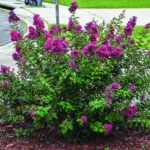
Think of it this way: a bush form is naturally more shrub-like, often with multiple stems coming right from the ground, creating a fuller, bushier look. These are great for filling in spaces, lining a walkway, or just adding a burst of color without getting too tall. They tend to stay under 10 feet, making them pretty manageable.
On the other hand, when we talk about a crepe myrtle tree, we’re usually talking about a plant that’s been trained to grow with one or more distinct trunks, much like a traditional tree. These are the ones that give you that lovely overhead canopy, perfect for a focal point in the garden or even as a small shade tree. They can easily reach 15 to 25 feet or more, depending on the specific variety.
Here’s a quick rundown of what you might notice:
- Form: Bushes are multi-stemmed and dense; trees have clear trunks and an open canopy.
- Height: Bushes typically stay under 10 feet; trees can grow much taller.
- Use: Bushes work well as hedges or mass plantings; trees are often used as specimens or for vertical interest.
It’s really about how you want the plant to look and behave in your landscape. The same plant can lean towards being a bush or a tree, depending on the pruning it receives from the start.
The beauty of crepe myrtles is their adaptability. Whether you want a low-growing shrub for a border or an elegant tree for a statement piece, the choice often comes down to your personal preference and how much effort you’re willing to put into shaping it.
So, when you’re looking at crepe myrtles, remember that the ‘bush’ or ‘tree’ label is often a result of cultivation and pruning, not a fundamental difference in the plant itself. This understanding is key as we move on to how pruning plays a role in shaping your crepe myrtle.
Understanding Crepe Myrtle Species and Cultivars
So, you’re looking at crepe myrtles and wondering about the difference between a bush and a tree. It’s a good question, and honestly, it mostly comes down to how they’re grown and what you want them to do in your yard. Botanically, both the bush and tree forms belong to the same family, the Lagerstroemia genus. Think of it like different breeds of dogs – they’re all dogs, but they look and act differently.
What really sets them apart are the specific cultivars and, importantly, how they are pruned. Some varieties are naturally bred to stay small and shrubby, perfect for borders or smaller gardens. Others are selected for their upright growth and potential to become stately trees. It’s not so much about different species as it is about different growth habits and how we shape them.
Here’s a quick rundown of what to expect:
- Bush Forms: These tend to be shorter, often with multiple stems coming from the base. They fill out nicely and are great for mass plantings, as foundation shrubs, or even in large containers. They usually stay under 10 feet tall.
- Tree Forms: These are encouraged to grow with one or more main trunks, developing a more open canopy. They can reach heights of 15 to 25 feet or even more, depending on the specific cultivar. They’re ideal as focal points, along driveways, or where you need some vertical interest.
Beyond just size and shape, different cultivars offer a range of flower colors, from soft pinks and whites to vibrant reds and deep purples. Some even have unique bark textures that peel to reveal beautiful patterns, adding winter interest. You can find a huge variety of crepe myrtles to fit just about any garden space, whether you’re looking for a compact shrub or a grand specimen tree.
The key takeaway is that the ‘bush’ or ‘tree’ label often depends on cultivation and pruning practices rather than a strict botanical division. Many crepe myrtles can be trained into either form with the right care.
When you’re picking out a crepe myrtle, think about the space you have and the look you’re going for. Are you aiming for a low-maintenance shrub to fill a corner, or do you want a showstopper tree that commands attention? Knowing the characteristics of different cultivars will help you make the best choice for your landscape.
Typical Sizes: Bush vs Tree Forms at Maturity
When you’re looking at crepe myrtles, the size they reach really depends on whether you’re dealing with a bush form or a tree form. It’s not just about the variety, but also how it’s been managed over time.
Crepe myrtle bushes, for instance, tend to stay more compact. They usually don’t get much taller than 6 to 10 feet, and they spread out wider. Think of them as fuller, more shrubby plants, often with multiple stems coming right from the ground. They’re great for filling in spaces or creating a dense border.
On the other hand, crepe myrtle trees are bred and pruned to grow upwards. These can get significantly taller, often reaching heights of 15 to 25 feet, and some varieties can even go higher. They develop a more defined trunk or a few main trunks, with branches that start higher up, giving them that classic tree silhouette.
Here’s a quick look at what you can generally expect:
- Bush Forms:
- Height: Typically 3-10 feet
- Spread: Often wider than tall
- Habit: Shrubby, multi-stemmed, dense foliage
- Tree Forms:
- Height: Typically 15-25+ feet
- Spread: More upright, less dense lower down
- Habit: Single or multi-trunked, open branching structure
It’s important to remember that these are general guidelines. Some cultivars are naturally dwarf, staying small even when allowed to grow without heavy pruning, while others are bred specifically for their tree-like stature. The way a crepe myrtle is pruned plays a huge role in determining its final size and shape.
The distinction in mature size isn’t just about aesthetics; it influences where you can plant them. A towering tree form needs more overhead space and a clear area beneath, while a bush form can fit into tighter spots or be used in mass plantings.
So, when you’re picking out a crepe myrtle, think about the space you have and the look you want. Do you need a low-growing shrub for a border, or are you aiming for a graceful tree to be a focal point in your yard? Knowing these typical sizes will help you make the right choice.
How Pruning Determines Whether a Crepe Myrtle Becomes a Bush or Tree
You know, it’s pretty wild how much a little bit of cutting can change a plant. With crepe myrtles, it’s not so much about the specific type you buy, but more about how you decide to prune it. The way you trim your crepe myrtle is the main thing that shapes it into either a bushy shrub or a more tree-like specimen.
Think of it like this: if you want a fuller, more shrubby look, you’ll prune it differently than if you’re aiming for that classic tree shape with a clear trunk or two.
Here’s a general idea of how pruning plays a role:
- For a Bush Form: You’ll want to encourage branching from the base. This usually means letting multiple stems grow and pruning them back to encourage more side shoots. It’s about keeping the plant dense and low.
- For a Tree Form: The goal here is to create a strong central leader or a few main trunks. You’ll remove the lower branches, especially the smaller, weaker ones, to create that open, upright structure. It’s about lifting the canopy.
It’s really about making choices each year. Do you want it to spread out wide and low, or grow tall and stately? Your pruning shears are the tool that makes that happen.
Sometimes people get a bit too enthusiastic with the pruning shears, especially on crepe myrtles. This can lead to what some folks call ‘crepe murder,’ which isn’t good for the plant at all. It weakens them and makes them look pretty strange, with lots of weak, stubby branches growing out from the same spot. It’s best to prune with a plan, not just hack away.
So, if you’ve got a young crepe myrtle, or even one that’s gotten a bit wild, you can guide its growth. It just takes a bit of attention and knowing what you’re trying to achieve with its shape.
Pruning Basics: Why Timing Matters for Both Bushes and Trees

When you decide to prune your crepe myrtle, whether it’s a bush or a tree form, the timing is pretty important. Think of it like this: you wouldn’t want to cut back a plant right before it’s about to put all its energy into blooming, right? Crepe myrtles are known for their showy flowers, and these blooms happen on new growth that emerges in the spring and summer. This means that the best time to do any significant pruning is during the dormant season, typically in late winter or very early spring, before the new growth really kicks off.
Doing your pruning when the plant is asleep helps it recover more easily and directs its energy into producing strong, healthy new shoots that will eventually carry those beautiful flowers. If you prune too late in the season, you might cut off the very buds that would have turned into blooms.
Here’s a quick rundown of why timing is key:
- Winter Dormancy: This is the prime time for shaping and structural pruning. You can remove dead, damaged, or crossing branches without stressing the plant. It’s also when you can make bigger cuts to establish the desired form (tree or bush).
- Early Spring: Just as new growth begins, you can do light touch-ups. However, avoid heavy pruning at this stage, as you risk removing potential flower sites.
- Summer: During the growing season, your main job is deadheading – snipping off spent flower clusters. This encourages the plant to produce more blooms instead of putting energy into making seeds.
Over-pruning, often called ‘crepe murder,’ usually happens at the wrong time of year and involves cutting back too much. This can lead to weak, leggy growth and fewer flowers, plus it can damage the plant’s natural shape and health over time.
For both bush and tree forms, understanding this cycle helps you prune effectively. It’s not just about cutting; it’s about working with the plant’s natural rhythm to get the best results, whether that’s a well-shaped shrub or a stately small tree.
Pruning Techniques for Crepe Myrtle Trees
When you’re aiming for that lovely tree form with your crepe myrtle, pruning is all about shaping it right from the start and keeping it healthy as it grows. It’s not about hacking it back, but more like guiding it.
The main goal is to create a strong structure with a few main trunks, usually three to five, and keep the lower part of the tree clear of smaller branches. Think of it like giving the tree a nice, clean look from the ground up. You want to remove any branches that are growing too low, generally anything thinner than a pencil. This helps air circulate and makes the tree look more like a tree, not a big bush.
Here’s a breakdown of what to focus on:
- Limbing Up: This is the process of removing lower branches. Start with branches that are thin and growing close to the ground. Aim to clear up to about two-thirds of the trunk’s height over time. Don’t rush this; let the tree grow into it.
- Thinning: Every few years, take out some of the smaller, pencil-thin branches. This encourages new growth and more flowers. It also helps prevent the tree from getting too crowded.
- Removing Suckers: Keep an eye out for any shoots that pop up from the base of the tree. These are called suckers, and they can steal energy from the main trunks. Snip them off at the base.
- Addressing Crossing Branches: If two branches are rubbing against each other, pick the weaker or poorly positioned one and remove it. This prevents wounds that can lead to disease.
When the tree is young, you can lightly prune the tips of branches to encourage branching. However, as the tree matures, avoid cutting back the main branches or the top. This practice, often called ‘crepe murder,’ leads to weak, leggy growth and unsightly knobs.
Remember, crepe myrtles bloom on new wood. So, pruning in late winter or early spring, while the tree is still dormant, is the best time. This gives the tree a chance to put its energy into producing beautiful blooms for the upcoming season.
Pruning Tips for Crepe Myrtle Bushes
When you’re working with a crepe myrtle that’s more of a shrubby type, the goal is usually to keep it full and bushy, not to train it into a tree shape. This means focusing on maintaining its natural form and encouraging lots of blooms.
The key is to prune for density and shape, not to drastically cut it back. Think of it like tidying up a hedge, but with a bit more freedom.
Here are some pointers for keeping your crepe myrtle bush looking its best:
- Thinning is your friend: Instead of just hacking off the tops, look for branches that are crossing, rubbing against each other, or growing inward. Removing these helps improve air circulation and light penetration, which leads to healthier growth and fewer disease issues. Also, take out any branches that are thinner than a pencil – they often don’t produce much and just take energy from the plant.
- Encourage new growth: To get more flowers, you can lightly tip back some of the branches. This encourages the plant to send out new shoots, and crepe myrtles bloom on new wood. Don’t go overboard, though; just a light trim is usually enough.
- Maintain the shape: If your bush is getting a bit wild, you can prune it to keep it within the space you have. Aim for a rounded or mounded shape, depending on the variety and your preference. It’s better to do a little shaping each year than to let it get out of hand and need a major overhaul.
- Deadheading for more blooms: While not strictly pruning, removing spent flower clusters (deadheading) during the growing season can encourage the plant to produce another round of blooms before fall.
Remember, crepe myrtles are pretty forgiving, but they do respond best to thoughtful pruning. Avoid the urge to shear them like a boxwood. Instead, take a moment to look at the plant’s structure and make cuts that will benefit its overall health and appearance. It’s about working with the plant, not against it.
If you’ve inherited a crepe myrtle bush that’s been severely pruned in the past, it might take a couple of seasons of proper thinning and shaping to help it recover its natural beauty. Just be patient and consistent with your care.
Avoiding Over-Pruning and ‘Crepe Murder’
It’s easy to get a little overzealous with pruning shears, but when it comes to crepe myrtles, there’s such a thing as too much. We’ve all seen it – those sad, stumpy plants that look like they’ve been attacked by a lawnmower. That’s what folks call ‘crepe murder,’ and it’s a real shame because it’s totally avoidable. This drastic cutting back weakens the plant and makes it more prone to diseases and pests.
Think about it: when you hack off the top of a crepe myrtle, it has to put all its energy into growing new shoots. This often results in a bunch of weak, spindly branches that can’t even support their own blooms, leading to drooping and breakage. Plus, year after year, this practice creates unsightly knobs where the cuts were made, which really ruins the natural beauty of the plant. It’s just not necessary for the health or flowering of your crepe myrtle.
Here’s a quick rundown of what to avoid:
- Cutting the main trunks back to a uniform height.
- Removing more than a third of the plant’s canopy in one go.
- Pruning just for the sake of pruning, without a specific goal.
Instead of hacking, focus on thinning out branches. If you need to reduce the size, consider transplanting the crepe myrtle if it’s in the wrong spot. They actually transplant quite well! Remember, crepe myrtles bloom on new wood, so pruning is mainly for shaping and removing dead or crossing branches, not for topping.
The best way to avoid the dreaded ‘crepe murder’ is to plant your crepe myrtle where it has enough space to reach its mature size without needing drastic intervention. Proper placement from the start saves a lot of heartache (and ugly plants) down the line. If you’re unsure about mature sizes, check the plant tag or do a quick search before you buy.
If your crepe myrtle has been subjected to this kind of pruning in the past, it might be tough to bring it back to its former glory. Sometimes, the best course of action is to remove it and start fresh with a new plant, placed correctly this time. For established trees that have been pruned correctly, minimal intervention is needed. You can find more information on proper pruning techniques to keep your crepe myrtle looking its best.
Seasonal Maintenance: How Often to Prune Your Crepe Myrtle
When it comes to keeping your crepe myrtle looking its best, knowing when and how often to prune is key. Generally, the best time for any significant pruning is during the dormant season, which means late winter or very early spring, before new growth really kicks off. Think February or early March here in most of the US.
This timing is important because crepe myrtles bloom on new wood. Pruning them while they’re sleeping allows them to put all their energy into producing strong new stems and, consequently, beautiful blooms when the weather warms up. Plus, you can easily see the plant’s structure without all the leaves getting in the way.
Here’s a quick rundown of what to consider:
- Major Pruning: Stick to the dormant season (late winter/early spring). This is when you’ll address structural issues, remove dead or crossing branches, and shape the plant if needed.
- Deadheading: Throughout the growing season (spring and summer), you can snip off spent flower clusters. This encourages the plant to produce more blooms instead of putting energy into making seeds.
- Minor Trimming: If a branch is growing awkwardly or looks out of place during the summer, a light trim is usually fine. Just don’t go overboard.
It’s really about balance. You want to maintain the plant’s natural shape and health without stressing it out. Over-pruning, especially at the wrong time, can lead to weak growth and fewer flowers. Think of it as a gentle guiding hand rather than a drastic makeover.
For established trees, you might only need to do major pruning every couple of years. Smaller bush forms might benefit from a light tidy-up annually. The goal is to keep them healthy and looking good, not to constantly reshape them. Remember, crepe myrtles are pretty tough, but they appreciate a thoughtful approach to their care.
Special Pruning Goals: Encouraging Blooms vs Controlling Size

When you’re looking at your crepe myrtle, you’ve got two main things you might be trying to achieve with pruning: getting more flowers or keeping the plant a certain size. It’s not always an either/or situation, but sometimes you have to pick a priority.
The biggest factor in getting lots of blooms is understanding that crepe myrtles flower on new wood. This means the growth that happens in the current season is where you’ll see flowers later on. So, if your goal is a spectacular show of color, you want to encourage healthy new growth.
Here’s a quick breakdown:
- For More Blooms: Prune in late winter or early spring while the plant is still dormant. Focus on removing dead, damaged, or crossing branches. You can also lightly thin out some of the smaller, weaker stems to allow more light and air into the plant, which helps the remaining branches produce stronger, more numerous flower clusters. Deadheading spent blooms during the growing season can also encourage a second flush of flowers.
- For Size Control: This is where things can get tricky. If you’re trying to keep a crepe myrtle small, you’ll need to prune more regularly. However, be very careful not to overdo it. Cutting back too hard, especially in the wrong season, can reduce flowering. For size control, it’s often better to choose a dwarf or smaller cultivar from the start. If you must prune for size, do it in late winter and focus on shaping and removing branches that are growing where you don’t want them.
It’s a balancing act, for sure. You don’t want to prune so much that you sacrifice blooms, but you also don’t want it to get out of hand if space is limited.
Sometimes, people prune their crepe myrtles hard to make them bushier, thinking this will lead to more flowers. While it does create more stems, if you cut back too much, you can end up with fewer, weaker blooms because the plant’s energy is spread too thin. It’s better to encourage strong, healthy growth on established branches for the best flowering.
If you’re aiming for a specific look or a certain number of flowers, think about what you want most. For most people, a good balance of healthy growth and a decent amount of blooms is the sweet spot. Just remember, those big, heavy cuts often lead to weak, floppy stems that can droop under the weight of the flowers, and that’s usually not the look anyone is going for.
Common Maintenance Challenges for Bush and Tree Forms
Even though crepe myrtles are generally tough plants, both bush and tree forms can run into a few issues if you’re not careful. One of the biggest headaches people deal with is pests. Asian bark scale is a real problem, turning trunks black and weakening the plant. It seems like over-pruning can actually make this worse, so it’s something to watch out for. You might also see aphids or spider mites, especially on new growth.
Another common challenge is disease. Fungal issues like powdery mildew can pop up, particularly in humid conditions or when plants are too crowded. This can make the leaves look dusty and unhealthy, and in bad cases, it can affect flowering.
Then there’s the issue of improper pruning, which we’ve talked about a lot. For trees, this means avoiding the dreaded ‘crape murder’ that leaves them looking like stumps. For bushes, it might mean letting them get too leggy or overgrown, losing their nice shape. It’s a balancing act to keep them looking good without going overboard.
Here are some common problems and what to look for:
- Pests: Asian bark scale, aphids, spider mites.
- Diseases: Powdery mildew, leaf spot.
- Pruning Issues: Over-pruning (crape murder), under-pruning (overgrown, leggy growth), incorrect branch removal (crossing, rubbing branches).
- Environmental Stress: Drought stress can weaken the plant, making it more susceptible to pests and diseases.
Keeping an eye on your crepe myrtle, whether it’s a bush or a tree, is key. Regular checks for any signs of trouble, like unusual spots on leaves or sticky residue on stems, can help you catch problems early before they get out of hand. It’s much easier to deal with a small issue than a big infestation or a plant that’s really struggling.
Sometimes, you might find that a plant just isn’t performing as well as you’d hoped. This could be due to poor soil, not enough sun, or just the wrong variety for your area. It’s not always about maintenance; sometimes, the plant itself might be the issue.
Choosing the Right Pruning and Maintenance Approach for Your Crepe Myrtle Bush vs Tree
So, you’ve got a crepe myrtle, and now you’re wondering how to keep it looking its best, whether it’s a bushy shrub or a more tree-like specimen. It really comes down to what you want it to do in your yard and how much work you’re willing to put in. The key is to match your pruning and maintenance to the plant’s natural growth habit and your desired outcome.
Think about it this way:
- For Crepe Myrtle Bushes: If you want that fuller, shrubby look, the goal is usually to maintain its natural shape. This means focusing on thinning out crowded branches, removing any dead or crossing limbs, and maybe a light trim to keep it from getting too wild. You’re not trying to create a single trunk or a formal canopy here.
- For Crepe Myrtle Trees: Here, you’re often aiming for that clean, upright form. This involves selecting a few strong main trunks (or keeping the ones that are already there) and removing smaller, weaker branches, especially those low down. The idea is to create a clear trunk and an open, airy canopy.
- For Both: Regardless of form, always remove any dead, damaged, or diseased wood as soon as you see it. This keeps the plant healthy and prevents problems from spreading.
When it comes to timing, winter is generally the best bet for major pruning when the plant is dormant. This is when you can see the structure clearly and make more informed cuts. However, you can deadhead spent blooms during the growing season to encourage more flowers, especially on bush forms.
Remember, crepe myrtles bloom on new wood. This means that pruning in winter or early spring allows for new growth to emerge and produce flowers. Avoid heavy pruning late in the season, as this can stimulate new growth that might not have time to harden off before winter.
Here’s a quick look at what to aim for:
| Form | Primary Goal | Key Pruning Actions |
| Bush | Natural, full shrub | Thinning crowded branches, removing crossing/dead wood, and light shaping |
| Tree | Clean trunk, open canopy | Selecting main trunks, removing low/weak branches, and shaping the upper canopy |
Ultimately, the best approach is one that respects the plant’s natural tendencies. Over-pruning, especially the drastic topping often called ‘crepe murder,’ can weaken the plant, lead to unsightly growth, and reduce flowering. Choose a variety that fits your space, and then prune it to complement its natural beauty, not to fight against it. This way, you’ll have a healthy, attractive crepe myrtle for years to come.
Deciding whether to prune your Crepe Myrtle as a bush or a tree can be tricky. Both methods have their own benefits and require different care. Understanding these differences is key to keeping your plant healthy and looking its best. For expert advice tailored to your specific needs, visit our website today! Happy gardening!
Frequently Asked Questions
What’s the main difference between a crepe myrtle bush vs tree?
The biggest difference is how they grow and how they are shaped. Crepe myrtle bushes are usually shorter and have a fuller, shrub-like look with many stems coming from the ground. Crepe myrtle trees grow taller and are shaped to have one or a few main trunks, giving them a more classic tree appearance.
Does pruning actually change a crepe myrtle from a bush to a tree?
Yes, pruning plays a big role! By removing lower branches and shaping the plant over time, you can encourage a crepe myrtle to grow into a tree form. If you want it to stay bushy, you’ll prune differently, focusing more on thinning out branches to keep it full.
When is the best time to prune crepe myrtles?
The best time to prune is usually in late winter or early spring, around February, before new growth starts. This is when the plant is resting. Pruning at this time helps shape the plant and get it ready for the growing season without harming it.
What is ‘crepe murder,’ and why should I avoid it?
‘Crepe murder’ is a term for cutting crepe myrtles too severely, often by chopping off the tops. This is bad because it weakens the plant, makes it more likely to get sick or have pests, and results in messy, weak new growth that can droop and break. It also makes the plant look unnatural and ugly.
How much pruning do crepe myrtle bushes really need?
Crepe myrtle bushes generally don’t need a lot of pruning. You’ll mostly just need to trim away any dead or damaged branches and thin out some stems every few years to keep the plant healthy and maintain its shape. The goal is a natural look.
Do I need to prune my crepe myrtle for it to bloom?
No, you don’t need to prune your crepe myrtle just to get it to bloom. They naturally produce flowers on new growth each year. Pruning is more for shaping and health, not for encouraging flowers. You can deadhead (remove spent blooms) to potentially encourage a second round of flowers.
What kind of maintenance do crepe myrtles need besides pruning?
Crepe myrtles need plenty of sunshine, well-drained soil, and regular watering, especially when they are young. Once established, they are pretty drought-tolerant. They can also benefit from a light feeding in the spring. Keeping an eye out for pests like scale is also important.
Can I grow crepe myrtles in pots, and how does that affect pruning?
Yes, especially the smaller, dwarf varieties! Growing them in pots is a great option. For potted crepe myrtles, you might need to prune a bit more often to keep them a manageable size for the container. You’ll also need to protect them from harsh winter cold if you live in a colder climate.</span
Request a Quote
Our Services