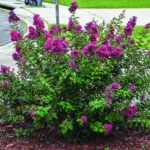
When to Prune Limelight Hydrangea Tree for Maximum Blooms

So, you’ve got a Limelight Hydrangea tree, and you’re wondering about the best time to give it a trim? It’s a common question, and honestly, getting it right can make a big difference in how many of those gorgeous, big blooms you get. It’s not super complicated, but knowing a few things about when to prune Limelight Hydrangea tree will help you out a lot. Let’s break down when to prune Limelight Hydrangea tree for the best results.
Understanding When to Prune Limelight Hydrangea Tree

So, you’ve got a Limelight hydrangea tree, and you’re wondering about the best time to give it a trim. It’s a pretty common question, and honestly, getting the timing right is key to seeing those big, beautiful blooms every summer.
The main thing to remember is that Limelight hydrangeas bloom on new wood. This means they produce flowers on the growth that happens in the current year. Because of this, pruning at the wrong time can accidentally cut off those future flower buds.
Here’s a quick rundown of why timing matters:
- Late Winter/Early Spring: This is generally the sweet spot. When the plant is still dormant, meaning it’s not actively growing and has likely lost its leaves, it’s the best time to prune. You can see the plant’s structure clearly and make your cuts before new growth starts. This is a good time to remove any dead or damaged branches from winter.
- Late Fall/Winter: You can prune during this period, especially if you live in a milder climate. The plant is dormant, and you can get a good look at its shape. However, if you’re in an area with harsh winters, it’s safer to wait until early spring to avoid potential winter kill affecting your pruning cuts.
- Late Spring/Summer: Avoid pruning during this time if you want blooms. Pruning too late in the spring risks cutting off the new growth that would have produced flowers. You might end up with a healthy plant, but fewer blooms for the season.
When you’re deciding when to prune Limelight hydrangea tree, think about the plant’s natural cycle. It’s all about working with the plant, not against it. Pruning when it’s dormant helps it focus its energy on producing strong new stems for the best possible flowers.
It’s also worth noting that Limelight hydrangeas are pretty forgiving. While late winter or early spring is ideal for maximizing blooms, they can handle some pruning at other times. However, for the most impressive flower show, stick to the dormant season. This annual pruning is what encourages that fresh, flowering wood each year, making your pruning hydrangea tree efforts really pay off. Getting the timing right for when to prune limelight hydrangea tree is a simple step that makes a big difference.
The Importance of Timing: When to Prune Limelight Hydrangea Tree
Okay, so you’ve got a Limelight hydrangea, and you want it to put on a show with tons of those big, beautiful blooms. The secret sauce? It’s all about when you grab those pruners. Get the timing wrong, and you might end up with a lot of leafy growth but not as many flowers as you’d hoped.
Limelight hydrangeas are special because they bloom on new wood. This means they grow fresh stems in the spring, and those are the stems that will produce the flowers later in the summer. Because of this, pruning at the right time is super important. You want to encourage that new growth without accidentally cutting off the buds that are just waiting to pop.
So, when’s the sweet spot? Generally, you want to prune when the plant is dormant, meaning it’s not actively growing. This usually happens in late winter or very early spring, before the new growth really starts to take off. Think of it like this:
- Late Fall/Winter: After the leaves have naturally dropped, the plant is definitely sleeping. This is a good window, especially if you have mild winters.
- Early Spring: This is often the most recommended time. You’re waiting until the worst of the cold is over, but before the plant wakes up and starts putting out new shoots.
- Avoid Late Spring/Summer: Pruning too late in the spring means you risk cutting off those developing flower buds. That’s a recipe for fewer blooms.
The key is to make your cuts before the plant has committed to growing those flower-bearing stems for the season. If you’re in a really cold climate where winter can damage new growth, it’s safer to wait until early spring to prune. This way, you can see what survived the winter and prune accordingly, avoiding any potential winter kill that might reduce your plant’s size naturally.
Getting the timing right helps ensure your Limelight hydrangea has a strong framework of old wood to support the new growth, leading to those big, impressive flower heads you’re looking for. It’s a simple step, but it makes a huge difference in the final display.
Seasonal Guide: When to Prune Limelight Hydrangea Tree for Best Results
Alright, let’s talk about when to grab those pruners for your Limelight hydrangea. Since these beauties bloom on new wood, timing is everything if you want a spectacular show of those big, cone-shaped flowers. The sweet spot for pruning is when the plant is nice and dormant, meaning it’s finished its growing for the season and hasn’t started putting out new shoots yet.
For most folks, this means late winter or very early spring is your best bet. Think February or early March, before those tiny green buds start to swell. This gives the plant plenty of time to produce strong new stems that will carry the blooms later in the summer. If you live somewhere with really harsh winters, where branches might get damaged by the cold, it’s a good idea to hold off until early spring. This way, you can see exactly how much winter kill you have and prune accordingly.
Here’s a quick rundown of the best times:
- Late Fall/Early Winter: You can prune now if your winters aren’t too severe. The plant has dropped its leaves, making it easier to see the structure. Just be mindful of potential winter damage in colder zones.
- Late Winter/Early Spring: This is the most common and generally safest time. Prune before new growth really kicks off.
- Avoid Late Spring/Summer: Pruning too late in the season means you’ll likely cut off the developing flower buds, and you’ll end up with fewer blooms, or none at all, for that year. Nobody wants that!
When you’re pruning, remember that Limelight hydrangeas can get quite large. Cutting them back by about a third of their total size is a good rule of thumb. This encourages strong new growth that can support those heavy flower heads. Don’t be afraid to make substantial cuts; it helps keep the plant healthy and promotes better flowering.
Using clean, sharp tools is always important, no matter when you prune. It helps make clean cuts that heal faster and reduces the risk of spreading any diseases. For Limelight hydrangeas, you’ll want to cut back to just above a set of healthy buds, making your cut at a slight angle. This helps water run off the cut surface. If you’re looking for more detailed advice on the actual cutting process, checking out how to prune can be really helpful.
Identifying Signs That Signal When to Prune Limelight Hydrangea Tree
Figuring out the exact moment to grab your pruning shears for your Limelight hydrangea tree isn’t always about looking at the calendar. Sometimes, the plant itself gives you clues. One of the biggest indicators is when the plant has completely shed its leaves for the season. This usually happens in late fall or early winter.
When the plant looks bare and dormant, it’s a pretty good sign it’s ready for a trim. This is when the plant is least active and can handle the stress of pruning without affecting its future blooms. You can also look for signs of winter damage, like dead or broken branches. These are prime candidates for removal, regardless of the exact timing, but it’s easiest to spot them when the leaves are gone.
Here are some things to look out for:
- Leaf Drop: The most obvious sign is when all the leaves have fallen off naturally. This means the plant is entering its dormant phase.
- Dead or Damaged Stems: Look for any branches that are brown, brittle, or snapped. These won’t produce flowers and can sometimes spread disease.
- Previous Year’s Bloom Heads: While not a direct sign for when to prune, the spent flower heads from the previous season are still attached and can be a visual cue of where the plant grew last year, helping you decide where to make your cuts.
It’s really about observing your plant’s natural cycle. Trying to prune when the plant is actively growing or just before it sets buds can actually hurt its flowering potential for the upcoming season. Waiting until it’s truly resting is the key.
If you live in a really harsh climate where winter can be brutal, it’s often best to hold off on any major pruning until early spring. This way, you can assess any damage caused by extreme cold and prune accordingly, rather than guessing what might have survived the winter.
Step-by-Step: How and When to Prune Limelight Hydrangea Tree
Alright, let’s get down to business with how to prune your Limelight hydrangea tree. It’s not as complicated as it might seem, and doing it right means you’ll get those big, beautiful blooms we all love. Remember, Limelight hydrangeas bloom on new wood, which is key to understanding when and how to prune.
The best time to tackle this is in late winter or very early spring, before any new growth really gets going. Think of it as giving your plant a fresh start before it wakes up for the season. You want to do this when the plant is dormant, meaning it’s not actively growing and has dropped its leaves. This makes it easier to see the structure of the plant and make clean cuts.
Here’s a simple breakdown of how to prune:
- Gather Your Tools: Make sure you have clean, sharp pruning shears or loppers. Clean tools are super important to avoid spreading any diseases. Wipe them down with rubbing alcohol before you start.
- Identify Last Year’s Growth: Look at your tree. You’ll see where it was pruned or where branches ended last year. This is your guide.
- Make Your Cuts: For each main branch, find a set of healthy buds. Cut about a quarter-inch above these buds. Aim for a slight angle, around 45 degrees, so water runs off the cut instead of sitting there.
- Shape the ‘Y’: Many gardeners aim to create a ‘Y’ shape at the end of each pruned branch. This encourages strong new growth that can support the heavy flower heads.
- Remove Dead or Weak Stems: While you’re at it, snip out any branches that are dead, damaged, or look really weak and spindly. These won’t produce good blooms and can take energy away from healthier parts of the plant.
- Don’t Overdo It: A good rule of thumb is to remove about one-third of the plant’s total growth. Going too hard can stress the plant and actually reduce flowering. You want to maintain a strong framework.
When you’re pruning, think about the overall shape you want for your tree. You’re not just trimming; you’re guiding its growth for the best possible display of flowers. It’s about balance – removing enough to encourage new blooms but leaving enough structure to support them.
Here’s a quick look at how much to remove:
| Pruning Goal | Amount to Remove | Notes |
| Encouraging new blooms | Up to 1/3 | Focus on healthy, outward-facing buds. |
| Shaping the plant | As needed | Remove crossing or awkwardly placed branches. |
| Removing dead/diseased wood | All | Cut back to healthy tissue. |
Following these steps for how to prune a Limelight hydrangea tree will set you up for a fantastic bloom season. It’s a straightforward process that makes a big difference in how your plant looks and performs.
Common Mistakes to Avoid When Pruning Limelight Hydrangea Tree
Alright, let’s talk about what not to do when you’re giving your Limelight hydrangea tree a trim. It’s easy to get a little overzealous, and trust me, that can lead to fewer blooms or even a stressed-out plant.
One of the biggest slip-ups is pruning at the wrong time. Remember, Limelight hydrangeas bloom on new wood. This means if you cut off all the potential flowering stems in the fall or winter, you’re essentially removing your chance for those big, beautiful blooms later on. The best window for pruning is typically late winter or early spring, just before new growth starts. Waiting until after the last frost is a good rule of thumb, especially if you live in a colder climate.
Another common error is cutting back too much. While it might seem like a good idea to give it a really hard prune, Limelights generally do best when you only remove about a third of the previous year’s growth. Going beyond that can stress the plant and result in weaker stems that might not support the weight of the flowers.
Here are a few more things to watch out for:
- Using dull or dirty tools: This can damage the stems and spread diseases. Always use clean, sharp pruners or loppers. It’s a good idea to sanitize them before and after use. You can find some decent pruning shears online if yours are looking a bit sad.
- Cutting off the old flower heads indiscriminately: While deadheading can tidy things up, sometimes those faded blooms add winter interest. If you do deadhead, make sure you’re cutting back to a healthy bud or side branch, not just snipping the top off.
- Not understanding your specific plant: While this guide is for Limelight, remember that not all hydrangeas are pruned the same way. Some bloom on old wood and require different timing. It’s always good to know what type of hydrangea you have.
Over-pruning can really set your Limelight hydrangea back. It’s better to be a bit conservative and let the plant tell you what it needs. Think of it as a gentle shaping rather than a drastic haircut.
Finally, don’t forget about aftercare. Once you’ve pruned, give your hydrangea a good watering and consider adding a layer of mulch. This helps the plant recover and get ready for a season of fantastic blooms.
The Impact of Pruning Time on Bloom Quality and Size

So, you’re wondering how messing with your Limelight hydrangea tree’s branches affects the flowers it puts out, right? It’s actually a pretty big deal. Pruning at the wrong time can seriously mess with how many blooms you get and how big they are.
Think of it like this: Limelight hydrangeas make their flowers on new growth that happens each year. If you prune too late in the spring, after the plant has already started putting out those new shoots, you might accidentally cut off the very buds that would have turned into flowers. That means fewer blooms for you to enjoy.
Here’s a quick rundown of what happens:
- Early Spring Pruning (Ideal): This is generally the sweet spot. You’re cutting back the plant when it’s still dormant, before new growth starts. This encourages strong, healthy new stems that will produce big, beautiful flower heads later in the season. You’re essentially giving the plant a good start for the year.
- Late Spring/Summer Pruning: This is where things can go wrong. If you prune after new growth has begun, you risk removing the developing flower buds. This leads to a significant reduction in the number and size of blooms.
- Fall/Winter Pruning: For Limelight hydrangeas, this is also a good time. Since they bloom on new wood, pruning in late fall or winter, after the plant has dropped its leaves, won’t affect the next season’s flowers. It allows you to shape the plant and remove any dead or weak branches before the growing season kicks off.
It’s also about how much you cut. If you’re too aggressive and remove more than about a third of the plant’s growth, you can stress it out. Instead of producing loads of flowers, it might put its energy into just growing more leaves, and those new stems might not be strong enough to support big blooms. It’s a balancing act to keep the plant healthy and flowering well. Getting the timing right is key to seeing those large, impressive flower heads you’re hoping for. If you’re looking for advice on when to plant your hydrangeas,late winter or early spring is often recommended.
Over-pruning or pruning at the wrong time can lead to fewer flowers, smaller blooms, and a plant that looks a bit sparse. It’s better to be a little conservative and prune when the plant is best able to handle it, which is usually when it’s dormant.
Aftercare Tips Following When to Prune Limelight Hydrangea Tree
So, you’ve finished pruning your Limelight hydrangea tree. Great job! Now, what? It’s not quite time to forget about it until next year. A little bit of attention after pruning can really help your plant bounce back and get ready for those big, beautiful blooms.
First off, make sure you’ve cleaned up all the pruned bits. Don’t leave them lying around the base of the plant, as this can invite pests or diseases. Think of it like tidying up your workspace after a project – it just makes everything better.
Watering is important, especially if you pruned during a dry spell. Hydrangeas like consistent moisture, so give yours a good soak if the soil feels dry. Don’t drown it, though; just aim for damp, not soggy.
- Water deeply if the soil is dry.
- Apply a layer of mulch.
- Keep an eye out for pests or diseases.
- Avoid fertilizing immediately after pruning.
Mulching is a good idea, too. A nice layer of organic mulch around the base of the tree (but not touching the trunk) helps keep the soil moist, suppresses weeds, and regulates soil temperature. It’s like a cozy blanket for your plant’s roots.
While it might be tempting to give your newly pruned hydrangea a big boost of fertilizer, it’s usually best to hold off for a bit. The plant is recovering from the pruning, and a heavy dose of nutrients right now could actually stress it out. Wait until you see new growth starting to emerge before you think about feeding it.
And finally, just keep an eye on your Limelight. Look for any signs of stress, like wilting or yellowing leaves that aren’t just part of the natural cycle. Catching problems early makes them much easier to deal with. You did the hard part with the pruning; now just give it a little TLC and watch it thrive!
Taking care of your Limelight Hydrangea tree after pruning is simple! Keep the soil moist, especially during dry spells, and give it a good layer of mulch to help retain water and keep weeds away. For more expert advice on keeping your trees healthy and beautiful,visit our website today!
Frequently Asked Questions
When is the best time to prune my Limelight Hydrangea tree?
The ideal time to prune your Limelight Hydrangea tree is when it’s dormant, meaning it has lost its leaves and isn’t actively growing. This is usually in late fall, winter, or very early spring, before new growth starts. Pruning too late in spring might mean you cut off the new shoots that would have produced flowers.
Why is pruning important for Limelight Hydrangeas?
Limelight Hydrangeas bloom on new wood, which means they grow flowers on the stems that sprout in the current year. Pruning them each year encourages the plant to produce fresh, strong stems, which leads to more and bigger blooms. It also helps keep the plant healthy and shapely.
How much should I prune my Limelight Hydrangea tree?
A good rule of thumb is not to cut off more than one-third of the plant’s growth at once. This helps keep the plant strong. You want to leave a good frame of older wood to support the new growth that will carry the flowers.
What happens if I prune my Limelight Hydrangea too much?
If you cut back too much of the plant, it can get stressed. Instead of growing strong stems for flowers, it might put out lots of weak growth. This can actually result in fewer blooms or smaller flowers for the season.
How should I make pruning cuts on my Limelight Hydrangea?
When you prune, make your cuts just above a healthy bud, which is a small bump on the stem where new growth will emerge. It’s best to make these cuts at a slight angle, like 45 degrees. This helps water run off the cut, preventing disease.
Can I prune my Limelight Hydrangea after it has bloomed?
While Limelight Hydrangeas bloom on new wood, meaning they flower on stems that grow in spring, it’s generally best to prune them in late winter or early spring before new growth begins. Pruning after blooming is not the typical practice for this type of hydrangea if your goal is to maximize blooms for the next season.
Request a Quote
Our Services