
How Fast Does a Sycamore Tree Grow in Ideal Conditions
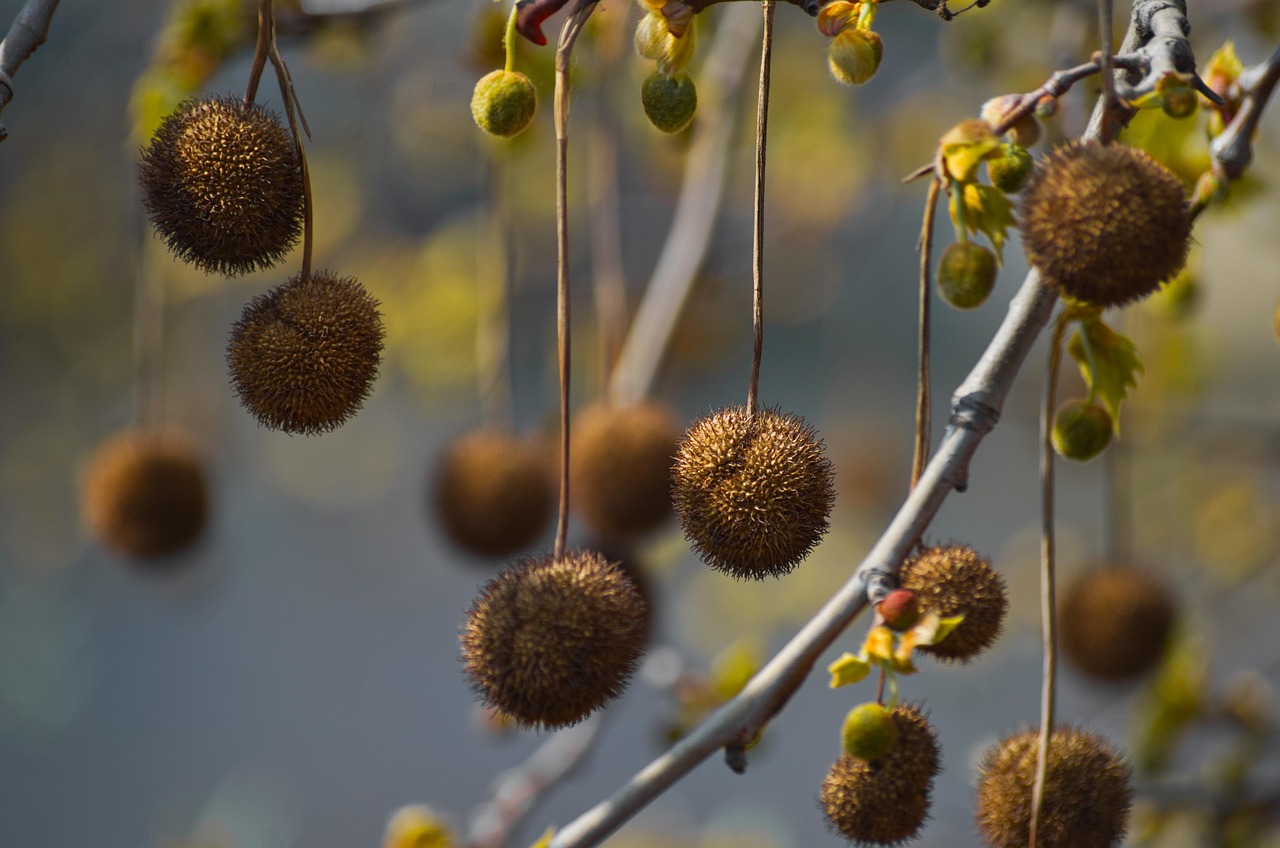
So, you’re wondering about sycamore trees and how fast they grow, huh? It’s a pretty common question, especially if you’re thinking about planting one or just curious about the big trees you see around. Sycamores are quite impressive, and their growth rate is definitely a big part of that. We’re going to break down what you can expect when it comes to how fast does a sycamore tree grows, especially when things are just right for them.
How Fast Does a Sycamore Tree Grow? An Introduction to Growth Rate
So, you’re curious about how fast does a sycamore tree grows, huh? It’s a pretty common question, especially if you’re thinking about planting one or just admiring these giants in your neighborhood. Sycamores are known for being pretty vigorous growers, and understanding their growth rate is key to appreciating them.
The sycamore tree is a champion of rapid development, often adding a significant amount of height each year when conditions are just right. This makes them a popular choice for those who want to see a landscape mature relatively quickly.
Here’s a quick look at what influences how fast does a sycamore tree grows:
- Genetics: Just like people, some sycamores are naturally programmed to grow faster than others.
- Environment: This is a big one! Soil quality, sunlight, and water availability play huge roles.
- Age: Younger trees tend to put on height more quickly than older, more established ones.
It’s not just about how fast does a sycamore tree grows in terms of height, either. Their spread and overall health are also part of the growth story. We’ll get into the specifics of what “ideal conditions” really mean and how you can help your sycamore reach its full potential.
Understanding the growth patterns of a sycamore tree helps in planning for its long-term presence in your landscape. It’s a tree that offers shade and beauty, and knowing how fast does a sycamore tree grows gives you a realistic expectation of its development over the years.
Typical Annual Growth: Feet Per Year in Ideal Conditions

When you’re thinking about how fast does a sycamore tree grows, especially when everything is just right for it, we’re talking about some pretty impressive numbers. Under perfect conditions, a sycamore can add between 3 to 5 feet to its height each year. This isn’t some slow, drawn-out process; it’s a steady, noticeable gain that can really transform a landscape over a relatively short time.
Of course, “ideal conditions” is the key phrase here. It means the tree has everything it needs to thrive: the right kind of soil, plenty of sunlight, and just the right amount of water. When these elements align, the sycamore really shows what it’s capable of.
Here’s a general idea of what you might expect in terms of annual growth:
- Young Trees (First 5-10 years): This is often when sycamores are at their most vigorous, putting on a significant amount of height each year. Expect them to be on the higher end of the growth range, maybe even exceeding 5 feet annually if conditions are truly optimal.
- Mature Trees (10+ years): While they continue to grow, the rate might slow down a bit compared to their younger years. They’ll still be adding a good amount of height, but the focus might shift more towards thickening their trunk and canopy.
It’s pretty amazing to think about a tree growing that much in just one year. It makes you appreciate the power of nature when it’s given the chance to really go for it.
The sycamore’s ability to grow several feet each year in good conditions is one of its most appealing traits for people looking to establish a significant tree presence relatively quickly. It’s a tree that doesn’t make you wait forever to see results.
Early Years vs Mature Growth: How Fast Does Growth Change Over Time?

When you first plant a sycamore sapling, it’s all about getting established. Think of it like a toddler – lots of energy, but focused on putting down roots and getting sturdy. In these initial years, you’ll see a decent amount of growth, maybe a foot or two each year if conditions are just right. It’s exciting to watch, but it’s not the full speed the tree is capable of.
As the sycamore matures, its growth rate really picks up. It’s like a teenager hitting a growth spurt. The tree has a strong root system now and is ready to focus on reaching skyward and outward. This is when you’ll see those impressive growth spurts, potentially adding 3 feet or more in a single year under ideal circumstances. This rapid phase is what makes sycamores such great shade providers relatively quickly.
Here’s a general idea of how the growth might look:
- Sapling Stage (Years 1-3): Focus on root development. Visible growth might be around 1-2 feet per year.
- Young Tree Stage (Years 4-10): Growth accelerates significantly. Expect 2-3 feet per year.
- Mature Stage (Years 10+): Continues strong growth, often reaching its peak rate. Can add 3+ feet annually.
It’s important to remember that ‘ideal conditions’ play a huge role. Plenty of sun, good soil, and adequate water are key to hitting these faster growth numbers. Without them, even a mature sycamore will grow more slowly.
So, while you won’t see a sycamore shoot up 5 feet in its first year, its ability to accelerate its growth as it gets older is pretty remarkable. It’s a tree that rewards patience with rapid development later on, making it a fantastic choice for long-term landscape plans.
Growth Rate in Feet and Inches: What to Expect Each Year
So, you’re curious about how quickly your sycamore tree will shoot up, right? It’s not just about feet per year; sometimes, it’s helpful to think in terms of inches too, especially when you’re watching it grow from a sapling. Sycamore trees are known for their vigorous growth, especially when they’re young and have everything they need.
In its early stages, a sycamore can add a good chunk of height each year. We’re talking about a growth spurt that could be anywhere from 2 to 5 feet annually. That’s like adding a whole new story to your house every year! As the tree matures, this rate naturally slows down a bit, but it still maintains a pretty impressive pace compared to many other tree species.
Here’s a general idea of what you might see:
- Year 1-5: Expect the most rapid growth here. This is when the tree is establishing its roots and really reaching for the sky. You could see 3-5 feet of growth per year.
- Year 6-15: Growth continues strongly, though perhaps not quite as explosively as in the first few years. Aim for 2-4 feet of growth annually.
- Year 15+: The tree is getting substantial. Growth might taper off to 1-3 feet per year, but it’s still adding size and presence.
It’s pretty neat to track this progress. You can even measure it yourself!
Remember, these numbers are for trees in prime conditions. If your sycamore is struggling with poor soil, not enough sun, or a lack of water, you won’t see these kinds of numbers. It’s like trying to run a race with a sprained ankle – you’re just not going to perform at your best.
Think of it this way:
- A good year: Your sycamore adds 4 feet (48 inches) to its height.
- An average year: You might see 2.5 feet (30 inches) of new growth.
- A slower year: Maybe it’s only 1.5 feet (18 inches).
It’s a dynamic process, and seeing that steady increase, even if it’s just a foot or two in a year, is a sign of a healthy, thriving tree. For a tree that can eventually reach impressive heights, like the American Sycamore, these early years are when it really sets the stage for its future grandeur.
Sycamore Tree Height Benchmarks: Growth at 5, 10, and 20 Years
So, you’ve planted a sycamore and are eager to see it grow. It’s natural to wonder how tall it might be at different stages. Sycamores are known for their quick start, especially when they’re happy with their environment.
These trees can really shoot up in their younger years.
Here’s a general idea of what you might expect in terms of height under good conditions:
- 5 Years: By the time your sycamore is five years old, it could easily be anywhere from 15 to 25 feet tall. It’s really starting to establish itself and show off its potential.
- 10 Years: After a decade, you’re looking at a tree that’s likely between 30 and 50 feet. It’s becoming a significant presence in your yard, offering some decent shade.
- 20 Years: At the 20-year mark, a sycamore can be a substantial tree, often reaching heights of 60 to 80 feet, sometimes even more. It’s well on its way to becoming a mature giant.
It’s important to remember these are just estimates. Factors like soil quality, water availability, and sunlight play a big role. But generally, sycamores are fast growers, so you won’t be waiting too long to see some impressive results.
Keep in mind that these benchmarks are for trees planted in conditions that sycamores truly love – think moist, well-drained soil and plenty of sunshine. If your tree is struggling with less-than-ideal circumstances, its growth might be a bit slower. That’s perfectly normal for any plant!
Ideal Soil Conditions for Maximum Growth Rate
Sycamore trees, especially the American Sycamore (Platanus occidentalis) and its hybrid cousin, the London Planetree (Platanus x hispanica), really thrive when they have the right kind of dirt to sink their roots into. They aren’t super picky, but giving them what they prefer makes a big difference in how fast they shoot up.
These trees absolutely love deep, rich soil that holds onto moisture but also drains well. Think of a good forest floor – that’s the kind of environment they’re happiest in. This kind of soil provides the nutrients they need and keeps their roots from getting waterlogged, which can cause problems.
Here’s a breakdown of what sycamores prefer:
- Texture: Loamy soils are fantastic. This means a good mix of sand, silt, and clay. It’s not too heavy, not too light, and allows for good air and water movement.
- Drainage: While they like moisture, they hate sitting in soggy ground. If water pools for too long after a rain, their roots can suffocate or rot. So, soil that drains freely is a must.
- Nutrients: Rich soil means plenty of organic matter. This stuff breaks down over time, feeding the tree and keeping it healthy and growing strong.
- pH Level: Sycamores are pretty flexible here. They can handle soils that are a bit acidic or a bit alkaline. You don’t usually need to worry too much about adjusting the pH unless it’s extremely out of whack.
Even though they can tolerate less-than-ideal conditions, like compacted soil or areas with moderate drought, you won’t see them reach their full, speedy potential. If you’re planting a sycamore and want it to grow as fast as possible, focus on improving the soil first. Adding compost or other organic material can make a world of difference, especially in areas with poor, sandy, or heavy clay soil.
When you’re thinking about soil for a sycamore, picture a well-watered garden bed that doesn’t turn into a swamp after it rains. That’s the sweet spot. Good soil is like a healthy meal for the tree – it gives it all the energy it needs to grow tall and strong, year after year.
Sunlight and Water: Critical Factors in Sycamore Growth Speed

Sycamore trees are pretty straightforward when it comes to what they need to really take off. They’re not overly fussy, but getting the sunlight and water right makes a huge difference in how fast they grow. Think of it like feeding a pet – give them what they like, and they’ll be happy and healthy.
Sunlight is a big deal for sycamores; they really soak it up. These trees love a good dose of full sun. That means at least six hours of direct sunlight each day. If your sycamore is stuck in a shady spot, it’s going to grow much slower. It’s like trying to run a marathon without any energy – it just won’t happen.
When it comes to water, sycamores are thirsty. They prefer consistently moist soil, especially when they’re young and trying to establish themselves. That doesn’t mean waterlogged, though. They like their feet wet, but not drowning. So, regular watering is key, particularly during dry spells. A good soak a couple of times a week is usually better than a little sprinkle every day.
Here’s a quick rundown of what they like:
- Sunlight: Full sun is best. Aim for at least 6 hours of direct light daily.
- Water: Consistently moist soil is ideal. Avoid letting it dry out completely, but also don’t let it sit in standing water.
- Soil Type: They aren’t too picky, but well-drained soil helps prevent root rot.
You might notice that sycamores often grow near rivers or streams. That’s no accident! They naturally seek out places with plenty of water, which helps explain why they can grow so quickly when those conditions are met in your yard.
If you’re trying to get your sycamore to grow as fast as possible, pay attention to these two things. Giving it plenty of sun and making sure it gets enough water will really help it reach its full potential. It’s not complicated, but it does require a bit of attention, especially in the first few years.
Climate Zones and Their Impact on Growth Rate
So, you’re wondering how where you live affects how fast your sycamore tree shoots up? It’s a pretty big deal, honestly. Think of it like this: a sycamore planted in a place with mild winters and plenty of warm, sunny days is going to be a lot happier and grow faster than one stuck in a super cold, short-season area.
Sycamores, especially the American Sycamore (Platanus occidentalis), generally do best in USDA hardiness zones 4 through 9. This range covers a good chunk of the United States, from parts of the Midwest and Northeast down to the Southeast and even into some parts of Texas.
- Zones 4-5: You’ll see slower growth here. Winters are colder, and the growing season is shorter. The tree will still grow, but don’t expect those super-fast rates you might hear about for warmer areas. It’s more about survival and steady, if slower, progress.
- Zones 6-7: This is often the sweet spot. You get a good balance of warm weather and a decent growing season. Growth rates here are typically closer to the ideal, with the tree putting on a good amount of height each year.
- Zones 8-9: These warmer zones are fantastic for sycamores. Longer growing seasons mean more time to photosynthesize and put on growth. You’ll likely see the fastest growth rates in these areas, assuming other conditions like water and soil are good.
It’s not just about the lowest temperature a zone experiences, but also how long the warm season lasts. A longer, consistent period of warmth allows the tree to really get going.
If you’re outside these zones, especially in areas with extreme heat or prolonged freezing temperatures, you might struggle to get a sycamore to thrive, let alone grow quickly. They’re pretty adaptable, but even they have their limits. So, checking your zone is a pretty important first step before you even think about planting.
Common Obstacles That Slow Sycamore Growth
Even though sycamores are pretty tough trees, they aren’t immune to things that can slow them down. Sometimes, it’s just bad luck, and other times, it’s a result of where they’re planted or what they have to deal with.
One of the biggest headaches for sycamores is disease. Anthracnose is a common one, especially when springs are wet and cool. It can make the leaves drop early, which really zaps the tree’s energy for growth. Then there are things like powdery mildew, leaf spot, and even bacterial leaf scorch that can weaken the tree over time. Pests can also be a nuisance, with aphids, lace bugs, and borers sometimes causing damage.
Here are some common issues that can hinder a sycamore’s growth:
- Disease outbreaks: Anthracnose, powdery mildew, and leaf spot can weaken the tree.
- Insect infestations: Pests like aphids and borers can damage leaves and bark.
- Poor soil conditions: While adaptable, sycamores really prefer moist, rich soil. Compacted or waterlogged soil can suffocate the roots.
- Lack of sunlight: These trees need plenty of sun to really get going.
- Water stress: While they tolerate some drought, prolonged dry spells, especially when young, can stunt growth.
- Physical damage: Accidental damage from lawnmowers, construction, or even harsh winds can set a tree back.
It’s also worth noting that sycamores can have aggressive root systems. If planted too close to sidewalks, buildings, or underground utilities, these roots can cause structural problems, which in turn can lead to the tree being stressed or even removed, halting its growth entirely. This is why choosing the right spot is so important from the get-go.
Sometimes, even if you’ve got the perfect conditions, a sycamore might just be struggling because it’s trying to recover from something. For instance, if a tree has been heavily pruned or damaged in the past, it might take a while to bounce back. Dealing with persistent issues like these can be tough, and sometimes, you might need to look into chemical methods for removal if the tree is beyond saving or causing problems.
Comparing Sycamore Growth With Other Trees
So, how does a sycamore stack up against other trees when it comes to growing speed? It’s a pretty impressive contender, honestly. While some trees take their sweet time, inching upwards year after year, the sycamore often puts on a noticeable show, especially when it’s young and has all the right conditions.
Let’s look at a few common trees:
- Sycamore (Platanus occidentalis): Known for its rapid growth, often reaching 2-3 feet per year under good conditions. It’s a fast grower, especially in its early stages.
- Red Maple (Acer rubrum): Generally considered a moderate grower, typically adding about 1-2 feet annually. It’s a reliable grower but not usually as speedy as a sycamore.
- White Oak (Quercus alba): This is a slow and steady type. White oaks might only grow 1 foot or less per year, prioritizing strength and longevity over quick height.
- Weeping Willow (Salix babylonica): These can be quite fast, sometimes matching or even exceeding sycamores in their early years, potentially adding 3-5 feet per year, though they often have a shorter lifespan.
The sycamore hits a sweet spot, offering a good balance of rapid growth and a long, sturdy life. It’s not the absolute fastest tree out there, but it’s certainly among the quicker ones that also develop into massive, long-lived specimens.
When you’re thinking about how fast does a sycamore tree grows, remember that ‘ideal conditions’ are key. A sycamore planted in poor soil with little sun won’t be racing up the sky. But give it good soil, plenty of water, and sunshine, and it really shows what it can do compared to many other trees.
How Long Until a Sycamore Tree Reaches Full Size?
So, you’re wondering when your sycamore will finally be, you know, big? It’s a fair question. These trees are known for their impressive stature, but reaching that full, majestic size takes time. While they grow pretty quickly when they’re young, especially under good conditions, they don’t just stop growing overnight.
A sycamore tree can live for a very long time, often reaching its full size over many decades. Think of it less like a sprint and more like a marathon. They’re built for longevity, and that means a slow and steady approach to their ultimate height and spread.
Here’s a general idea of what to expect:
- Young Growth (First 10-20 years): This is when you’ll see the most rapid growth. They’re putting on height and developing their main structure. You might see several feet of growth each year during this phase if conditions are right.
- Maturing Years (20-50 years): Growth slows down a bit, but the tree continues to thicken its trunk and expand its canopy. It’s still growing, just not as dramatically upwards.
- Mature Stage (50+ years): At this point, the tree is considered mature. It might still add a little height or spread, but the primary focus is on maintaining its established form and continuing its long life. Some sycamores can live for hundreds of years, so ‘full size’ is a relative term!
It’s important to remember that ‘full size’ can vary. A sycamore in a tight urban spot might not reach the same colossal dimensions as one growing in a wide-open field with plenty of room to grow. Factors like soil quality, water availability, and sunlight all play a role in how quickly and how large a sycamore ultimately becomes.
While we often talk about reaching ‘full size,’ it’s more accurate to think of a sycamore’s growth as a continuous process throughout its very long life. They are built to last, and their development reflects that enduring nature.
What to Expect When You Ask “How Fast Does a Sycamore Tree Grow”
So, you’re curious about how quickly a sycamore tree shoots up, right? It’s a pretty common question, and for good reason. These trees can really make a statement in your yard pretty fast.
When you start digging into “how fast does a sycamore tree grow,” you’ll find that under the best circumstances, they can add a good chunk of height each year. We’re talking about potentially reaching up to 3 feet of growth annually. That’s not too shabby when you consider how big these trees can eventually get.
Here’s a quick rundown of what that kind of growth means:
- Rapid Shade: Need shade quickly? A sycamore can help. You won’t be waiting decades for a decent canopy.
- Visual Impact: They transform a landscape noticeably within just a few years.
- Wildlife Haven: Their quick growth means they establish themselves as a habitat for birds and other critters sooner rather than later.
It’s important to remember that this impressive growth rate isn’t a guarantee. It really depends on a few key things:
- Soil Quality: Sycamores love rich, moist soil. If your soil is poor or compacted, growth will slow down.
- Sunlight: Plenty of sun is a must for vigorous growth.
- Water: Consistent moisture, especially when the tree is young, is vital.
- Climate: While adaptable, extreme conditions can hinder growth.
You might see numbers like “3 feet per year” thrown around a lot. That’s a great benchmark for ideal conditions, but your backyard might not be that perfect spot. Think of it as the tree’s potential, not necessarily what it will achieve everywhere.
So, when you ask about sycamore growth speed, expect to hear about a tree that’s a strong contender for one of the fastest growers out there. Just keep in mind that nature always has a few variables up its sleeve!
Wondering how fast sycamore trees grow? It’s a common question for anyone thinking about planting one. These trees can grow quite quickly, adding a good amount of height each year. If you’re curious about the growth rate and what affects it, we’ve got the details. For expert advice on tree care and planting, visit our website today!
Frequently Asked Questions
How fast can a sycamore tree grow in a year?
Under the best conditions, a sycamore tree can shoot up as much as 3 feet in a single year! That’s pretty speedy for a tree, making it a great choice if you want shade quickly.
Does a sycamore tree grow faster when it’s young or old?
Sycamores tend to grow the fastest when they are younger. As they get older and bigger, their growth rate slows down a bit, but they still continue to grow for a long time.
What’s the average height of a sycamore tree after 10 years?
After about 10 years, a sycamore tree can reach a height of around 30 to 40 feet. It’s already becoming a good-sized tree by then!
What kind of soil do sycamores like best for growing fast?
Sycamores really love soil that is moist and rich. They often grow best near rivers or streams where the soil stays damp and has lots of good stuff in it.
Does sunlight affect how fast a sycamore tree grows?
Yes, sunlight is super important! Sycamores grow best when they get plenty of sun. They can handle a little shade, but full sun helps them grow the most.
Are there any common problems that make sycamores grow more slowly?
Sometimes, diseases like anthracnose can cause sycamores to lose their leaves early, which slows their growth. Also, if they don’t get enough water or nutrients, they won’t grow as quickly.
How does a sycamore’s growth compare to other trees?
Sycamores are considered fast growers, especially compared to many other large shade trees. While some trees might grow only a foot or two a year, sycamores can hit that 3-foot mark.
How long does it take for a sycamore tree to reach its full size?
Sycamores are massive trees and take a long time to reach their full, giant size. While they grow quickly when young, it can take many decades, even up to 100 years or more, for them to become fully mature.
Request a Quote
Our Services


