
Palmetto Tree vs Palm Tree: What’s the Difference?
Ever looked at a towering tree with big, fan-like leaves and wondered if it’s a palm or a palmetto? You’re not alone. Many people get these two confused, and honestly, it’s easy to see why. They look pretty similar, especially from a distance. But some key differences set them apart, from their size and how they grow to their leaves and even the fruit they produce. Let’s break down the palmetto tree vs palm tree debate so you can tell them apart with confidence.
Alright, let’s clear up some confusion about palmetto trees and palm trees. It’s a common mix-up, and honestly, I used to get them wrong all the time, too. They look similar, sure, but there are some pretty distinct differences if you know what to look for. Think of it this way: all palmettos are technically palms, but not all palms are palmettos. It’s like saying all squares are rectangles, but not all rectangles are squares. The key distinction often lies in their growth habit and leaf structure. While many palm trees grow as single, tall trunks reaching impressive heights, palmettos frequently present as shrub-like, multi-stemmed plants that spread horizontally along the ground, or they might have shorter, stouter trunks. This difference in form is a significant visual cue. Furthermore, the leaves themselves offer clues.
Palm trees typically boast large, fan-shaped or feather-like fronds that can be quite dramatic, whereas palmetto leaves are often more rigid, fan-shaped, and segmented, sometimes appearing almost like a hand with stiff fingers. Understanding these fundamental differences in growth and foliage will help you easily identify which is which. So, what’s the big deal? Well, for starters, size is a major clue. Palm trees can get seriously tall, sometimes reaching up to 80 feet or even more, while palmettos are generally a bit more modest, usually topping out around 30 to 40 feet. Another key difference is how their trunks grow. Many palm trees shoot straight up, but a lot of palmettos tend to have their main stem stay low to the ground, sometimes even growing horizontally. It’s a subtle thing, but it changes their whole look.
So, what’s the big deal? Well, for starters, size is a major clue. Palm trees can get seriously tall, sometimes reaching up to 80 feet or even more, while palmettos are generally a bit more modest, usually topping out around 30 to 40 feet. Another key difference is how their trunks grow. Many palm trees shoot straight up, but a lot of palmettos tend to have their main stem stay low to the ground, sometimes even growing horizontally. It’s a subtle thing, but it changes their whole look.
Here’s a quick rundown of the main distinctions:
- Height: Palms can be giants; palmettos are usually smaller.
- Trunk Growth: Palms typically grow vertically; palmettos often grow horizontally near the ground.
- Leaf Shape: While both can have fan-shaped leaves, the specific structure and how they arch can differ.
- Fruit Size: Many palm varieties produce larger fruits compared to palmettos.
It’s easy to see why people get them mixed up, especially since both are iconic symbols of warmer climates and are often used in similar landscaping. But understanding these differences can help you appreciate each one for its unique qualities. If you’re curious about specific types, checking out resources on native palm species can be really helpful.
The botanical classification can get a bit technical, but at a basic level, both belong to the Arecaceae family. However, the term ‘palmetto’ often refers to specific types within this family, particularly those native to certain regions like the southeastern United States, and they often have distinct growth habits and leaf structures compared to the broader category of ‘palm trees’.
What Is a Palmetto Tree? Definition and Key Characteristics
Alright, let’s talk about the palmetto tree. You see them everywhere, especially in the South, and they’ve got this iconic look. But what exactly is a palmetto tree? Well, it’s a type of palm tree, but not all palms are palmettos. Think of it like this: all squares are rectangles, but not all rectangles are squares. The palmetto is a specific kind of palm. The most common one is the Sabal palmetto, and it’s a pretty big deal, especially in South Carolina, where it’s the state tree. It’s got this distinctive look that people recognize right away. It’s got this distinctive look that people recognize right away. So, what makes a palmetto a palmetto? For starters, they tend to be a bit more compact than some of the giant palm trees you might picture. While some palms can shoot up 80 feet or more, a palmetto usually tops out around 30 to 40 feet, maybe a bit more in ideal conditions. They also have this unique fan-shaped leaf, which botanists call ‘costapalmate.’ It’s not quite a full fan, but it curves back a bit, giving it a distinct appearance. Unlike many other trees, palmettos don’t really have bark in the traditional sense, and they don’t grow in layers like an oak or pine. Their trunks can sometimes show a bit of a ‘waist’ or thinner section, which usually just means it had a tough growing year or two due to things like drought or too much rain.
So, what makes a palmetto a palmetto? For starters, they tend to be a bit more compact than some of the giant palm trees you might picture. While some palms can shoot up 80 feet or more, a palmetto usually tops out around 30 to 40 feet, maybe a bit more in ideal conditions. They also have this unique fan-shaped leaf, which botanists call ‘costapalmate.’ It’s not quite a full fan, but it curves back a bit, giving it a distinct appearance. Unlike many other trees, palmettos don’t really have bark in the traditional sense, and they don’t grow in layers like an oak or pine. Their trunks can sometimes show a bit of a ‘waist’ or thinner section, which usually just means it had a tough growing year or two due to things like drought or too much rain.
Here are some key things to remember about palmettos:
| Attribute | Description |
| Leaf Shape | Distinctly fan-shaped (costapalmate), not feather-like. |
| Size | Generally smaller than many other palm species, typically reaching 30-40 feet. |
| Trunk | Lacks traditional bark and can sometimes show thinner sections from past growth issues. |
| Native Range | Commonly found in coastal areas, particularly along the southeastern United States. |
These trees have a history tied to resilience. During the Revolutionary War, the dense, fibrous wood of palmetto logs was used to build fortifications. The British cannonballs just bounced off, helping to defend Charleston. That’s a pretty cool bit of history that really shows off their toughness.
They’re also known for being pretty tough when it comes to wind, which makes sense given their native coastal environments. And when it comes to fruit, palmettos usually produce smaller, berry-like fruits, which can be a bit less messy for landscaping compared to the larger fruits some other palms drop. It’s these characteristics that make them a popular choice for certain types of gardens and yards, especially where space is a bit more limited or where wind resistance is a plus.
What Is a Palm Tree? Definition and Key Characteristics
Alright, let’s talk about palm trees. When most people think of a “palm tree,” they picture those tall, elegant trees you see in tropical postcards, right? And generally, that’s a pretty good starting point. Palm trees, in the broadest sense, are a family of plants known scientifically as Arecaceae. They’re found all over the world, especially in warmer climates. The defining characteristic of a palm tree is its unbranched stem, topped with a crown of leaves.
These trees are unique botanically. Unlike many other trees that grow wider each year by adding rings, palms are monocots. This means they grow differently, often sending up a single main stem. Some palms can get seriously massive, with species like the Royal Palm reaching heights of 80 to 100 feet. That’s a serious tree!
Here are some general traits you’ll find in many palm trees:
| Leaf Types: | Palms typically have large leaves that are either fan-shaped (palmate) or feather-shaped (pinnate). The specific shape and arrangement can vary a lot between different types of palms. |
| Trunk Structure: | Most palms have a single, upright trunk. This trunk doesn’t have bark in the way you’d think of with an oak or pine; it’s more fibrous. |
| Growth Habit: | They often start growing their main stem underground or very low to the ground for a while before sending it upwards. Once they start growing tall, some can shoot up a foot or more each year. |
| Fruit Production: | Many palms are known for their fruit, which can range from small dates to large coconuts, depending on the species. |
It’s easy to get confused because “palmetto” is actually a type of palm tree. So, while all palmettos are palms, not all palms are palmettos. Think of it like squares and rectangles – all squares are rectangles, but not all rectangles are squares.
Some popular examples of what people generally call “palm trees” include the Coconut Palm, the Date Palm, and the aforementioned Royal Palm. They’re often used in landscaping to give a tropical vibe, and they really do bring a certain kind of beauty to a place.
Botanical Classification: Palmetto Tree vs Palm Tree
When we talk about the palmetto tree vs palm tree, the botanical classification is where things get really interesting, and honestly, a bit confusing for most folks. It’s not as simple as just saying one is a type of the other, though that’s part of it. Think of it like this: all palmettos are palms, but not all palms are palmettos. It’s a bit like how all squares are rectangles, but not all rectangles are squares.
The key thing to remember is that ‘palm tree’ is a broad category, while ‘palmetto’ refers to specific types within that category.
Here’s a breakdown:
- Palms (Family Arecaceae): This is the broad classification, including more than 2,600 species of flowering plants found worldwide, mainly in tropical and subtropical areas. They are recognized by their unbranched stems and a cluster of large, evergreen leaves, bringing to mind typical tropical scenes.
- Palmettos: These are a particular group of palms, generally smaller and with trunks that grow low to the ground or horizontally. Well-known examples are the Cabbage Palmetto (which is Florida’s state tree), Dwarf Palmetto, and Saw Palmetto, all of which are in the Sabal genus or similar genera.
So, when you’re comparing a palmetto tree vs palm tree, you’re often comparing a specific type of palm (like a Sabal species) to the general idea of a palm tree, which could be anything from a towering Royal Palm to a smaller Date Palm. It’s a bit of a “subset” situation. Understanding this botanical relationship helps clear up a lot of the confusion in the palmetto tree vs palm tree debate. The botanical classification really highlights how palmettos fit into the larger palm family,showing their specific place within it.
The distinction often comes down to genus and species. While ‘palm’ is a common name for the entire family Arecaceae, ‘palmetto’ usually refers to palms within the genera Sabal and Serenoa, among others. This is why you’ll hear about the Sabal Palmetto, distinguishing it from, say, a Coconut Palm (Cocos nucifera).
It’s easy to get tangled up in the palmetto vs palm tree discussion because common names can be tricky. But botanically, palmettos are just a particular kind of palm tree, often with unique growth habits that set them apart from their taller, more upright cousins. This palmetto vs palm tree difference is rooted in their scientific names and family trees.
Leaf Shape and Growth Pattern Differences
Okay, so you’re looking at these trees and wondering about the leaves and how they grow, right? It’s a pretty big clue when you’re trying to tell a palmetto from a regular palm.
Most palms, the ones you probably picture when you think “tropical vacation,” tend to have either fan-shaped (palmate) or feather-shaped (pinnate) leaves. The shape can really vary a lot depending on the specific type of palm. Think of the big, dramatic fan leaves of a Mexican Fan Palm or the feathery fronds of a Canary Island Date Palm.
Palmettos, on the other hand, often have a more specific leaf structure. The most common palmetto, the Cabbage Palmetto (which is actually Florida’s state tree, by the way!), has what botanists call a “costapalmate” leaf. Basically, it’s a fan shape, but the leaf segments curve or arch backward. Each leaf is made up of lots of individual leaflets, usually around 40 to 60, and they can be about three feet long. It gives them a distinct look.
When it comes to how they grow, this is where things get really different. Many palm trees grow a single, upright trunk that just keeps getting taller year after year. They’re all about that vertical growth.
But a lot of palmettos? They’re a bit more laid-back. Their main stem often stay low to the ground, sometimes even below the surface, and grow horizontally. It’s not uncommon to see them looking more like a shrub or a sprawling plant for a good while before any significant upright growth happens. Some palmettos, like the Cabbage Palmetto, do grow upright, but even then, their growth pattern can be different from a typical tall palm.
Here’s a quick rundown:
| Palm Trees | Palmetto Trees |
| Often have distinct fan or feather-shaped leaves. Their growth is typically a single, upright trunk that gets taller over time. | Frequently have costapalmate (fan-shaped with backward arching segments) leaves. Many species have a main stem that grows horizontally along or under the ground, though some, like the Cabbage Palmetto, grow upright. |
It’s easy to get them mixed up because “palmetto” is actually a type of palm tree. But when people say “palm tree” versus “palmetto tree,” they’re usually thinking about these differences in leaf shape and how the main stem grows. It’s not just about size; it’s about the overall structure and appearance.
So, if you see a tree with big, feathery leaves reaching for the sky on a tall, straight trunk, it’s likely a classic palm. If you see something with fan-shaped leaves that might be growing more along the ground, or has a slightly different leaf structure, you might be looking at a palmetto.
Trunk Structure and Height Comparison
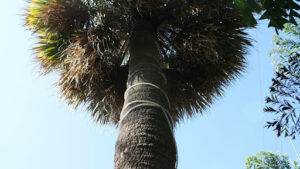
When you look at a palmetto tree versus a palm tree, one of the most noticeable differences is how they grow and how tall they get. Think of it this way: most palm trees are built for the sky, while palmettos tend to keep things a bit more grounded.
Generally, palm trees can shoot up to impressive heights, often reaching 80 feet or more, while the tallest palmettos usually top out around 30 to 60 feet. This isn’t a hard and fast rule for every single species, of course, but it’s a good general guideline.
Here’s a quick breakdown:
| Palm Trees | Palmetto Trees |
| Many species grow a single, upright trunk that gets quite tall. Some, like the Royal Palm, are famous for their towering presence. | A lot of palmettos have a main stem that stays low to the ground, sometimes even growing horizontally underground. This gives them a more shrub-like or sprawling appearance. However, some palmettos, like the Cabbage Palm (which is actually Florida’s state tree!), do grow upright. |
It’s interesting to note that both are monocots, meaning they don’t grow like typical woody trees with layers of bark and wood. Instead, they grow from a single point. This is why you won’t find rings inside a palm or palmetto trunk like you would in an oak tree.
Sometimes, you might see a palm or palmetto with a section on its trunk that looks a bit thinner or weaker. This often points to a tough growing period in the past, maybe due to a drought or too much rain. It’s like a scar showing the tree’s history.
So, if you’re picturing a tall, stately tree, you’re probably thinking of a classic palm. If you’re imagining something a bit shorter, maybe with leaves spreading out closer to the ground, a palmetto might be what you’re seeing.
Native Range and Climate Preferences
When you’re thinking about where these trees naturally pop up, it really paints a picture of their preferred weather. Palmettos, especially species like the Cabbage Palmetto (Sabal palmetto), are pretty common along the southeastern coast of the United States. You’ll find them thriving in states like South Carolina, where it’s actually the state tree, and down into Florida. They’re tough cookies, able to handle salty air and sandy soils, which makes sense given their coastal homes. This adaptability means they do well in warm, humid climates, but many can also tolerate a bit of a chill.
Palm trees, on the other hand, have a much wider native range, stretching across tropical and subtropical regions worldwide. Think of places like the Caribbean, Central and South America, Africa, Asia, and Australia. While some palms are quite cold-hardy, many are strictly tropical and can’t handle frost at all. So, if you see a palm tree in a colder climate, it’s likely a more resilient species or being carefully tended.
Here’s a quick look at some general preferences:
| Palm Type | Climate Preference | Hardiness Zones |
| Palmettos | Generally prefer warm, humid climates, but many species show good tolerance for cooler temperatures and coastal conditions. | 8-11 |
| Tropical Palms | Require consistently warm temperatures and high humidity. | 10-12 |
| Subtropical Palms | Can handle some cooler periods and occasional light frost. | 9-11 |
The Sabal Palmetto, Florida’s state tree, is a prime example of a palmetto that’s well-suited to its native environment. It’s not uncommon to see these trees flourishing in various parts of Florida, a state known for its warm weather and coastal influence.Palm trees are native to Florida, and many species thrive there.
When choosing a tree for your yard, knowing its native range and what kind of climate it’s used to is super important. It’s not just about how pretty it looks; it’s about whether it can actually survive and thrive where you live. A tree that’s happy in its natural habitat is going to be a lot less work and a lot more rewarding in the long run.
Growth Rate, Lifespan, and Maintenance Needs
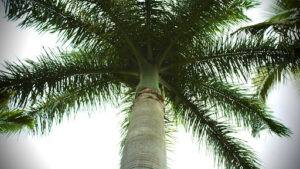
When you’re thinking about adding a palmetto or palm tree to your yard, it’s good to know what you’re getting into regarding how fast they grow, how long they stick around, and how much fuss they need. It’s not like planting a petunia, you know?
Generally speaking, most palmettos are pretty slow growers. Think of them as the steady, reliable types. They aren’t going to shoot up overnight and give you shade in a year. Some species, like the Dwarf Palmetto or Saw Palmetto, tend to stay low to the ground, so their ‘growth rate’ is more about spreading out than reaching for the sky. The Cabbage Palmetto, which is one of the taller ones, might add a foot or so a year, but that’s on the faster end for a palmetto.
Palm trees, on the other hand, can be quite different. Some of the larger palm varieties, like the Royal Palm, can really take off, adding a foot or more in height annually once they get going. This means you can get that tropical look much quicker with certain palms. However, this rapid growth can also mean they need more attention.
Here’s a quick look at what you might expect:
-
- Growth Rate:
- Palmettos: Generally slow to moderate (0.5 – 1 foot per year for upright types).
- Palms: Varies widely, from slow-growing dwarf varieties to fast-growing giants (up to 2 feet per year for some).
- Lifespan:
- Palmettos: Can live for many decades, often 50-100 years or even longer, especially if conditions are good.
- Palms: Lifespans also vary greatly by species, but many common landscape palms can live for 70-150 years.
- Growth Rate:
- Maintenance Needs:
-
- Palmettos: Typically low maintenance. They’re often quite drought-tolerant once established and don’t usually require much pruning beyond removing dead fronds. Their smaller fruits also mean less cleanup.
- Palms: Maintenance can range from low to moderate. Some palms need regular removal of dead fronds or fruit to prevent hazards or mess. Larger palms might require professional trimming.
When considering maintenance, remember that palmettos often have smaller fruits, which means less of a mess to clean up compared to some of the larger, heavier fruits produced by certain palm trees. This can be a significant factor if you’re looking for a low-mess landscape option.
So, if you want something that grows quickly and makes a big statement fast, a certain type of palm might be your pick. But if you prefer a more laid-back, low-fuss plant that will be around for a long time, a palmetto could be just the ticket. It really just depends on what you’re going for in your garden.
Flowers, Fruit, and Seed Differences
When you look at the flowers, fruits, and seeds of palmettos versus other palm trees, you’ll notice some distinct variations. It’s not always a huge difference, but it’s enough to help tell them apart if you’re looking closely.
Palmettos tend to produce smaller flowers and fruits compared to many of the larger palm species. Think of palmetto fruits as more like berries – they’re generally smaller and less showy. This can actually be a plus for landscaping because it means less cleanup from fallen fruit.
On the other hand, some popular palm trees, like the Royal Palm or Queen Palm, can develop much larger and more noticeable fruits. Coconuts are a prime example, but even ornamental date fruits from palms like the Queen Palm are significantly bigger than what you’d typically find on a palmetto.
Here’s a quick rundown:
- Palmetto Fruits: Usually smaller, berry-like. Less mess, often more subtle.
- Palm Fruits: Can be much larger and heavier. Examples include coconuts or larger date-like fruits.
- Flowers: Palmetto flowers are generally smaller and less conspicuous than those found on many larger palm varieties.
The size and type of fruit produced can be a helpful clue when you’re trying to distinguish between a palmetto and a different kind of palm tree, especially if you’re dealing with species that have very different growth habits and overall sizes.
So, while both are in the palm family, the details of their reproductive parts, particularly the fruits, offer another layer of difference to observe.
Common Types of Palmetto Trees vs Popular Palm Tree Species
When you’re trying to figure out which tree is which, looking at specific types can really help. It’s not just one kind of palmetto or one kind of palm, you know? There are quite a few variations out there.
Palmettos are actually a type of palm tree, but they tend to be smaller and often have a different growth habit. Think of it like this: all squares are rectangles, but not all rectangles are squares. Similarly, all palmettos are palms, but not all palms are palmettos.
Here’s a quick look at some common examples:
| Palmetto Type | Scientific Name | Height | Trunk | Leaves | Notes |
| Cabbage Palm | Sabal Palmetto | Up to 30 feet | Upright | Fan-shaped | The state tree of Florida, common in landscaping. |
| Dwarf Palmetto | Sabal Minor | A few feet tall | Low to the ground or underground | Fan-shaped | Stays small. |
| Saw Palmetto | Serenoa Repens | 5 to 10 feet | Spreads horizontally | Fan-like | Another shorter variety. |
Now, for the broader category of palm trees, the variety is huge. Some can get absolutely massive:
| Palm Type | Scientific Name | Description |
| Royal Palm | Roystonea spp. | These are the giants, often reaching 80 feet or more. They have a very distinct, smooth, gray trunk and a crown of large fronds. |
| Date Palms | Phoenix spp. | This group includes several popular landscape palms like the Canary Island Date Palm and the Pygmy Date Palm. They vary in size, but many have a more feathery leaf appearance and can grow quite tall. |
| Queen Palm | Syagrus romanzoffiana | A very common landscape palm, known for its graceful, arching fronds and relatively fast growth. They can reach heights of around 50 feet. |
It’s interesting how these different types are used. Because palmettos are generally smaller and often stay closer to the ground, they’re great for areas where you don’t want a towering tree or where strong winds are a concern. Their smaller fruits and flowers also mean less cleanup, which is a nice bonus for homeowners.
The key takeaway is that while ‘palmetto’ often refers to smaller, sometimes ground-hugging palms, the term ‘palm tree’ encompasses a much wider range of species, including many that grow very tall with distinct, upright trunks. Understanding these common types helps in choosing the right tree for your space and aesthetic goals.
Landscape Uses: Palmetto Tree vs Palm Tree in Gardens and Yards
When you’re thinking about sprucing up your yard, both palmetto and palm trees can bring a tropical vibe, but they really shine in different spots. Palmettos, with their generally smaller stature and often sprawling growth habit, are fantastic for adding texture and a lush feel without overwhelming a space. They’re perfect for smaller gardens, lining walkways, or even as ground cover in larger, naturalistic landscapes. Because many palmettos don’t grow super tall, their fruits and flowers are also easier to manage – less mess to clean up, which is always a win.
Palm trees, on the other hand, are the showstoppers. If you’ve got a larger area to fill or want to create a dramatic focal point, a tall palm tree can do the trick. Think of those grand entrances or expansive resort-style backyards; that’s where the towering palms really make a statement. They can create shade, add vertical interest, and really give that ‘wow’ factor.
Here’s a quick rundown of where each might fit best:
| Palmetto Trees: | Smaller gardens and tight spaces |
| Lining pathways or driveways | |
| Ground cover or understory planting | |
| Areas prone to strong winds (they tend to be more resilient) | |
| Palm Trees: | Creating a tropical oasis feel |
| As a central focal point in large yards | |
| Providing significant shade | |
| Adding vertical height and drama |
It’s also worth noting that palmettos can be a bit more forgiving in terms of maintenance. Their smaller fruit doesn’t create the same kind of debris as the larger fruits some palms produce. Plus, their wind resistance is a big plus in storm-prone areas.
Choosing between them often comes down to the scale of your project and the specific look you’re going for. A palmetto might be your go-to for a cozy, textured look, while a palm tree is for making a grand, vertical statement.
How to Identify a Palmetto Tree vs Palm Tree at a Glance
Alright, so you’re standing there, maybe at a park or just looking out your window, and you see these leafy trees. You’re wondering, “Is that a palmetto or just a regular palm tree?” It can be a bit tricky, I get it. But there are a few quick things to look for that’ll help you tell them apart without needing a botany degree.
First off, size is usually a big clue. Think of palmettos as the more compact cousins. While some palm trees can shoot up to 80 or even 100 feet tall, most palmettos are content to stay much shorter, often topping out around 30 to 60 feet. The Sabal Palmetto, Florida’s state tree, is one of the taller ones, but still generally not as massive as some of the giant palms.
Another thing to check is how the trunk behaves. Many palm trees have a nice, straight, upright trunk. Palmettos, though? Their main stem often likes to hug the ground, growing horizontally or just below the surface. You’ll see the leaves fanning out from there. Of course, some palmettos, like the Cabbage Palm, do grow upright, so this isn’t a hard and fast rule for every single one, but it’s a common difference.
Let’s talk leaves, too. Most palms have either fan-shaped (palmate) or feather-shaped (pinnate) leaves, and they come in all sorts of variations. Palmettos often have what’s called a costapalmate leaf, which is kind of like a fan leaf that curves backward a bit. It’s a subtle difference, but if you look closely, you might notice it.
Here’s a quick rundown:
| Feature | Palm Trees | Palmettos |
| Trunk | Usually distinct, upright | Often low to the ground or horizontal |
| Height | Really tall (80+ ft) | Generally shorter (30-60 ft) |
| Leaves | Can have fan-like leaves | Can have fan-like leaves, sometimes with a characteristic backward curve |
| Fruit | Larger fruits (variable) | Typically smaller, berry-like, and require less cleanup |
Remember, palmettos are actually a type of palm tree. It’s like saying a poodle is a type of dog. So, all palmettos are palms, but not all palms are palmettos. This distinction usually comes down to specific characteristics like size and growth habit that make them stand out.
So next time you see one, take a second look. Check out its height, how the trunk is doing, and the shape of those leaves. You’ll probably be able to spot the difference pretty quickly!
Ever wondered if that leafy giant is a palmetto or a regular palm tree? It’s easy to get them mixed up! But don’t worry, telling them apart is simpler than you think. For expert advice on all things trees, including identifying different types, check out our website today!
Frequently Asked Questions
Are palmetto trees and palm trees the same thing?
While palmetto trees are a type of palm tree, they have some key differences. Think of it like this: all squares are rectangles, but not all rectangles are squares. Similarly, all palmettos are palms, but not all palms are palmettos. Palmettos often have a more shrub-like growth habit, with their main stem staying close to the ground, while many other palm trees grow tall with a distinct, upright trunk.
What’s the main difference in size between palmetto and palm trees?
Generally, palm trees can grow much larger than palmetto trees. Some palm trees can reach heights of 80 to 100 feet, while most palmettos typically grow to about 30 to 60 feet. The Sabal Palmetto, which is Florida’s state tree, is one of the taller palmettos, but still usually doesn’t get as tall as some of the giant palm species.
How can I tell a palmetto tree’s trunk from a palm tree’s trunk?
A big clue is how the main stem grows. Many palmetto species have a stem that stays low to the ground, sometimes even growing horizontally or just under the soil. In contrast, most palm trees develop a clear, upright trunk that grows straight towards the sky.
What do the leaves (fronds) look like on palmetto trees compared to palm trees?
Palm trees can have a wide variety of leaf shapes, either fan-shaped (called palmate) or feather-shaped (called pinnate). Palmetto leaves, like those of the Sabal Palmetto, often have a fan shape but tend to curve or arch backward, giving them a slightly different appearance.
Do palmetto trees and palm trees produce different kinds of fruit?
Yes, there’s a difference in their fruit. Many types of palm trees produce larger fruits, like coconuts or big, ornamental dates. Palmetto trees usually have much smaller fruits, often resembling berries.
Are palmetto trees better for landscaping than palm trees?
It depends on what you’re looking for! Palmetto trees are often favored for smaller landscaping projects because their smaller fruits mean less cleanup. They’re also generally more resistant to strong winds and stay lower to the ground, making them a good choice for areas that experience harsh weather.
What does it mean if a palmetto tree has a skinny or weak-looking spot on its trunk?
That skinny section usually tells a story about the tree’s past. It indicates a period in the palmetto’s life when growing conditions weren’t ideal, perhaps due to a drought or too much rain. The tree essentially grew thinner during those tough times.
Are palmetto trees important in any specific regions?
Absolutely! The Sabal Palmetto is particularly iconic in South Carolina, where it’s the official state tree and holds historical significance, even being used in forts during the Revolutionary War. It’s also a prominent tree in Florida, recognized as the state tree there as well.
Request a Quote
Our Services


